
Last updated November 25, 2026
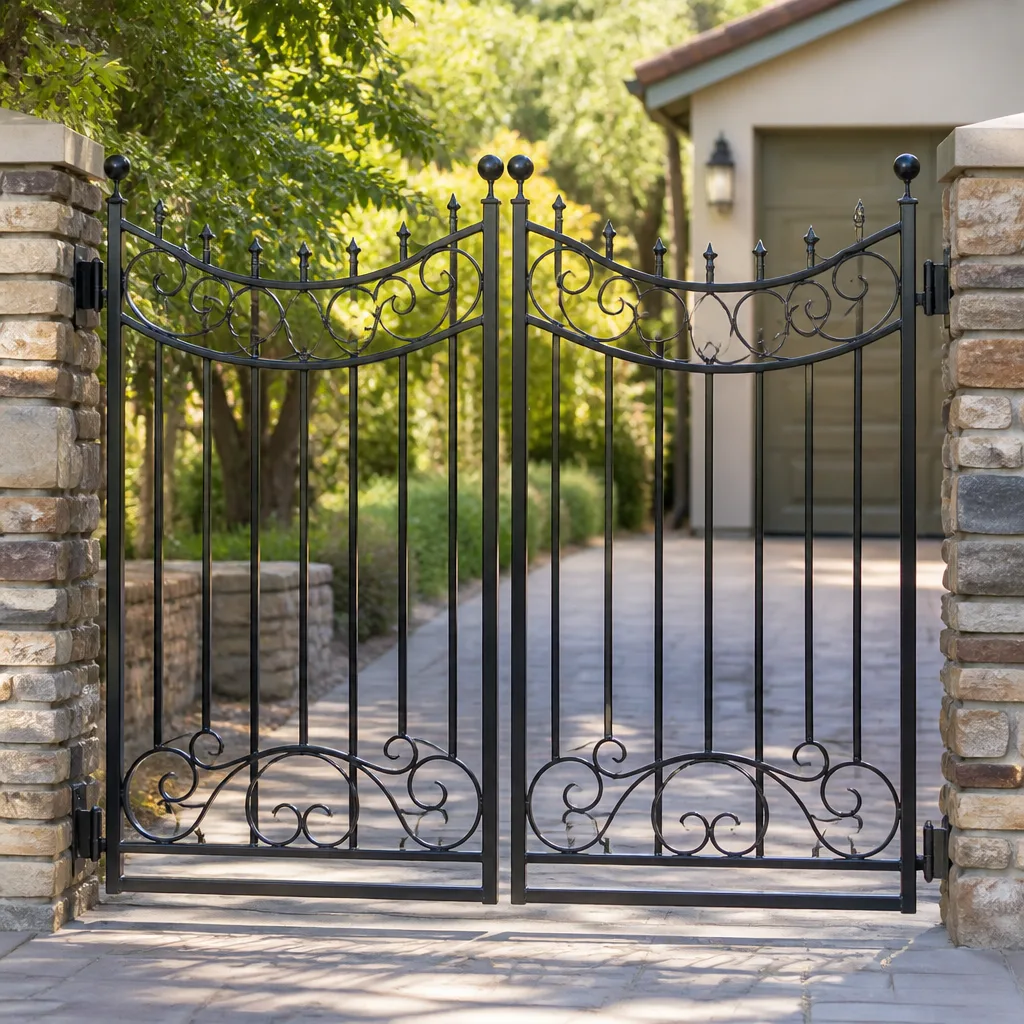 Wrought iron
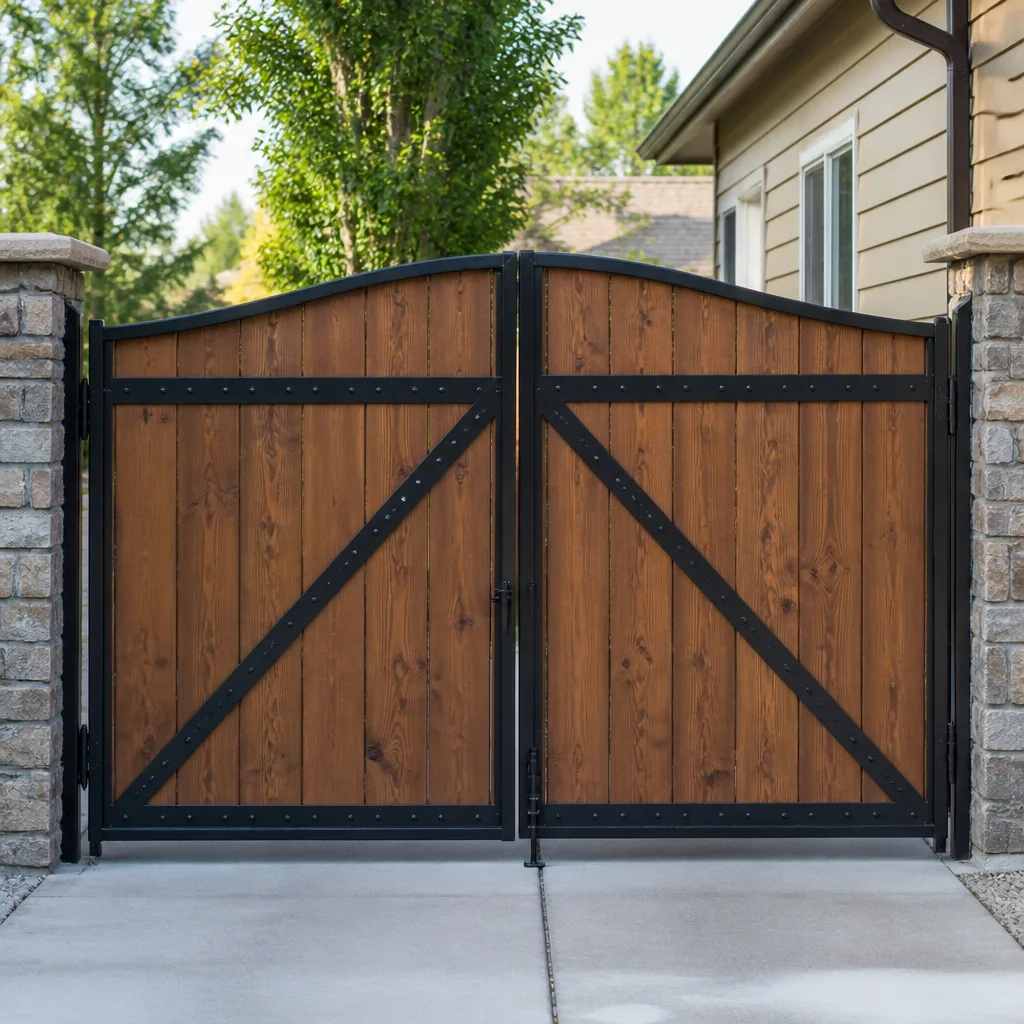 Wood & steel frame
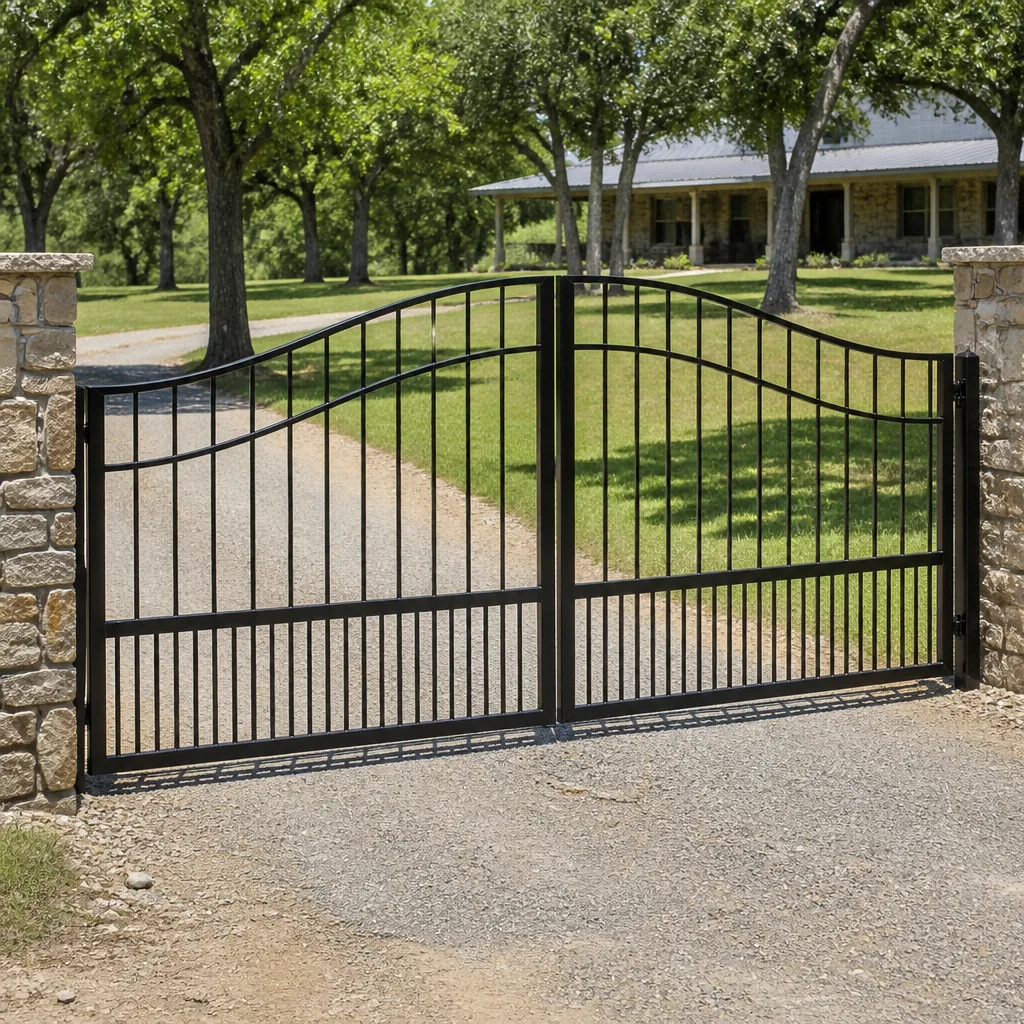 Farm & ranch
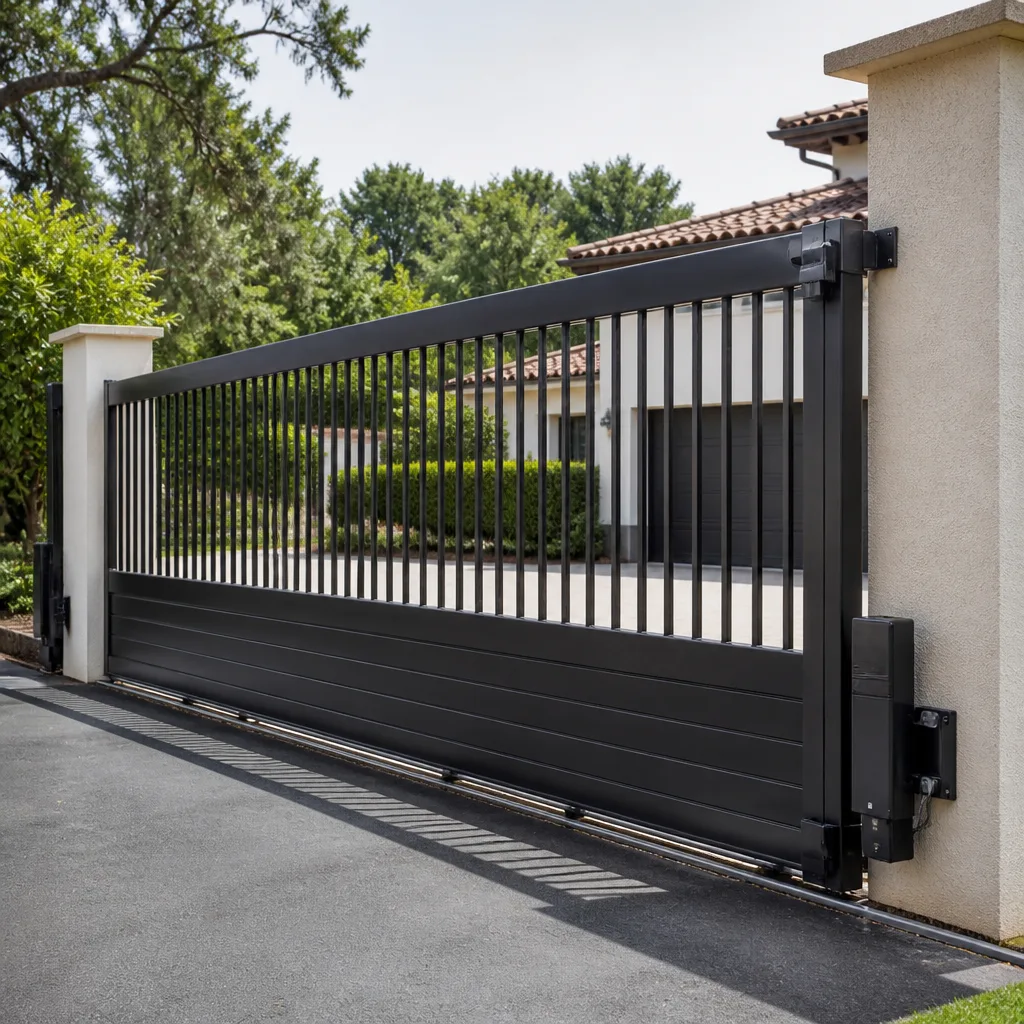 Sliding driveway gates
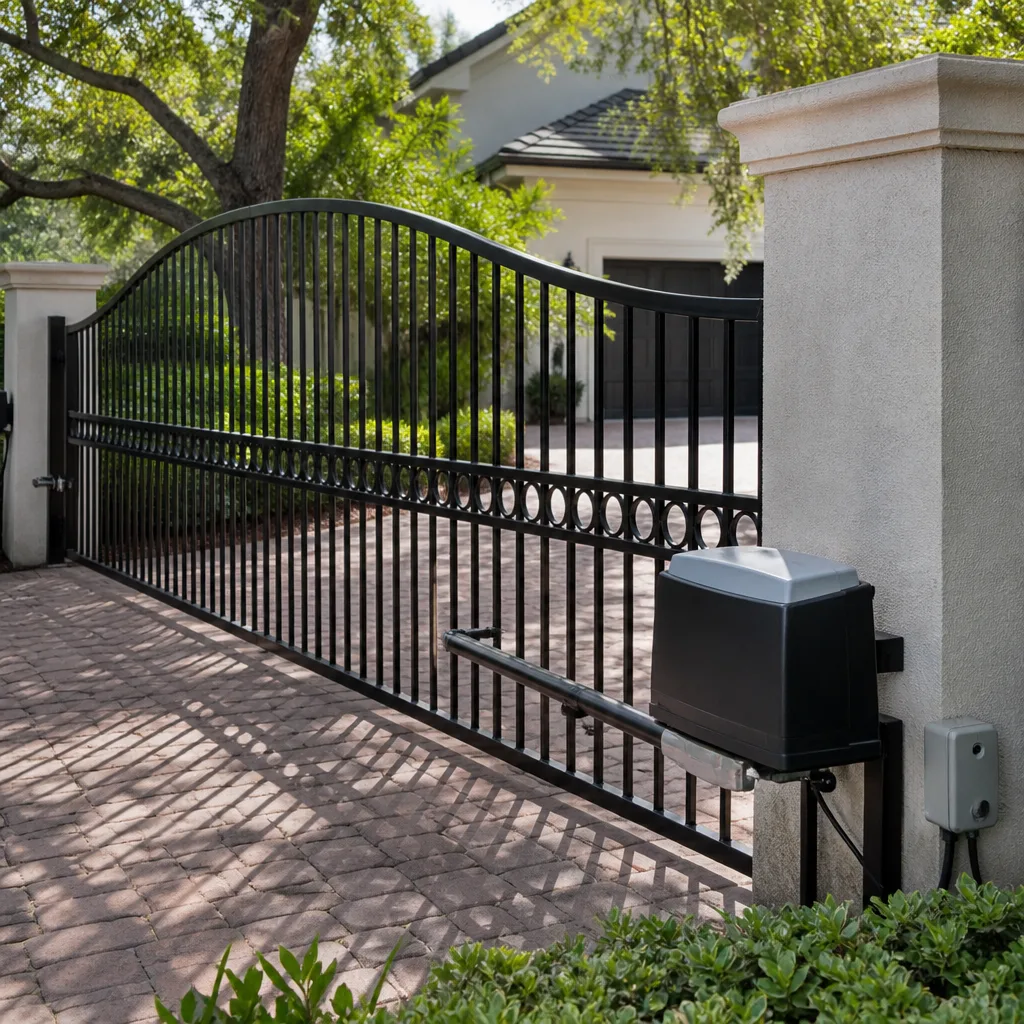 LiftMaster operators
Free on-site gate assessment - hinges, posts, and your LiftMaster or Nice gate operator checked before anything is quoted
The assessment is free and the quote is the invoice.
Get your free estimateGate Repair Maintenance Checklist for Knoxville Homeowners
The one maintenance task Knoxville homeowners skip most often is also the cheapest: lubricating the operator’s drive gear before summer. Do that and a motor can comfortably outlast the gate it moves. Skip it, and the gear grinds itself down in the heat while everything still sounds normal, which is why so many working motors get replaced years before they needed to be. What follows is a checklist built around the specific ways gates fail in Knoxville: humid summers that push rust cycles, winter freeze-thaw that heaves posts, and storm debris that clogs and jams moving parts. You’ll get component-by-component intervals, the shortcuts that quietly cause damage, and how to log it all so a technician diagnoses intermittent faults fast.
Quick Answer
A working gate maintenance checklist for a Knoxville home covers five areas on a schedule: hinges and latches monthly, the operator and drive gear every season (before summer especially), safety sensors and control boards monthly with a full test each season, entry hardware and access control quarterly, and post footings plus conduit seals after winter and after summer storms. The point of keeping to intervals, rather than fixing things when they break, is that most gate failures start as a slow mechanical or electrical drift that’s easy to correct early and expensive once it cascades.
Styles & brands we work with
- Wrought iron
- Wood & steel frame
- Farm & ranch
- Sliding driveway gates
- LiftMaster operators
Table of Contents
- Why Knoxville Gates Fail Differently
- The Monthly Walk-Around: Hinges, Latches, and the Gate Itself
- Operator and Drive Gear: The Seasonal Job That Saves Motors
- Safety Sensors, Control Boards, and the Electric Circuit
- Entry Hardware and Access Control
- Knoxville-Specific Checks: Conduit Seals and Post Footings
- How to Log Maintenance So a Technician Diagnoses Faster
- The Three Shortcuts That Cause Cascading Damage by Month 18
Why Knoxville Gates Fail Differently
Knoxville sits in a humid subtropical climate with real seasons on both ends, and that combination shapes gate wear in ways a generic checklist never accounts for. A gate here spends summer in heat and moisture that accelerate rust on hinges, chains, and fasteners, then spends winter going through freeze-thaw cycles that move the ground the posts are set in. The gate can look fine in April and be subtly out of alignment by February because the post on one side lifted a fraction while the other settled. Operators fight that misalignment every cycle, which wears gears and stresses hinges faster than the calendar would suggest.
Summer thunderstorms add a third stressor. Wind-driven rain and blowing debris find their way into exposed conduit joints, junction boxes, and the low spots around an operator housing. Water that gets in where wiring is spliced doesn’t announce itself. It sits, corrodes connections, and shows up months later as an intermittent fault where the gate opens partway and stops, or a keypad that works some days and not others. In our experience across Knoxville, intermittent electrical faults are the single hardest thing to chase down when there’s no maintenance history to point at the likely culprit.
The useful mental model is that Knoxville gates face a two-season attack: moisture and heat working on metal and electronics in summer, ground movement and cold working on structure in winter. A checklist built for a mild, dry climate misses half of that. The intervals below are set with both cycles in mind, so the work lands before each stressor peaks rather than after something fails.
The Monthly Walk-Around: Hinges, Latches, and the Gate Itself
This is a ten-minute visual and hands-on inspection you can do yourself, and it’s the layer that catches small problems while they’re still cheap. Walk the full swing or travel of the gate and watch and listen. What you’re looking for is anything that’s changed since last month: a new squeak, a spot that catches, a hinge that’s weeping rust, a latch that needs a harder push than it used to.
- Hinges and pivot points. Check every hinge for rust bloom, looseness, and play. A hinge with side-to-side movement is loading the operator unevenly. Wipe off grit before you lubricate, and use the lubricant your gate or operator maker specifies rather than whatever’s in the shed.
- Latch and strike. Confirm the latch engages fully without forcing. A latch that’s drifted out of alignment usually means the gate has sagged slightly, and that sag will keep getting worse.
- Gate frame and panels. Look for cracks at weld points, loose fasteners, and panel flex. On heavier gates, a crack that starts small can spread fast once the operator keeps pushing against it.
- Rollers and tracks (sliding gates). Clear debris from the track and check that rollers turn freely. A roller that’s flat-spotted will drag and overload the motor.
- Obstruction sweep. Clear leaves, gravel, and storm debris from the gate’s path. Debris in the travel path is one of the most common causes of a gate that “randomly” reverses.
Monthly checks are also your early-warning system for the bigger items. If the walk-around keeps turning up the same loose hinge or the same dragging spot, that’s your cue that a component is at the end of its life and a technician should look before it fails outright. Regular gate repair attention at this stage is usually a small adjustment; ignored, the same drift becomes a hinge replacement or a bent arm.
Operator and Drive Gear: The Seasonal Job That Saves Motors
The operator is where Knoxville summers do the most quiet damage. Heat thins lubricant, dust and pollen thicken it, and the drive gear inside the housing works harder every cycle. Lubricating the drive gear before summer is the single maintenance task that most extends motor life, and it’s the one most often skipped because the gate is still opening fine. It will keep opening fine right up until the gear is worn past saving. Do this seasonal service on any brand of operator, whether that’s a residential Ghost Controls unit or a heavier multi-home DoorKing install.
Beyond lubrication, the seasonal operator check includes a few things worth doing yourself and a few best left to a technician:
- Manual release test. Confirm the manual release works smoothly so the gate can be moved by hand in a power outage. If it’s stiff or stuck, that’s a safety issue to address.
- Force and limit settings. The operator should reverse on reasonable resistance. If the gate has started pushing harder before it stops, don’t just turn up the force to compensate – that masks a mechanical problem and defeats a safety feature.
- Mounting and arm hardware. Check that the operator is still firmly mounted and the arm or chain is properly tensioned. Loose mounting lets the whole unit shift and misaligns everything downstream.
- Battery backup (where fitted). Test it seasonally so you know it actually holds a charge when you need it.
When an operator starts behaving oddly – slowing on one direction, stalling in heat, or making a new noise – the right move is a proper diagnosis rather than a parts swap. Our gate motor & opener service covers exactly this: reading the fault correctly the first visit instead of guessing at the motor. If the unit is genuinely at end of life, new gate installation is a conversation worth having, but most ailing motors we see are recoverable with the right service.
Safety Sensors, Control Boards, and the Electric Circuit
This is the part of the checklist where we ask homeowners to look and test, not to open anything up. The electric side of an automated gate carries line voltage, and the control board and wiring are not a do-it-yourself area. What you can and should do is test the safety devices monthly and note what you find. Safety sensors and edges are there to stop the gate on a person, a pet, or a vehicle, and a sensor that’s drifted, blocked, or gone intermittent is the most common reason a gate reverses for no apparent reason.
- Test the safety sensors. With the gate in motion, break the beam or press the edge and confirm the gate reverses or stops as it should. Do this every month.
- Clear the lenses. Wipe sensor lenses and reflectors; Knoxville pollen and summer dust coat them fast and cause false triggers.
- Check the photo-eye alignment. Confirm the beam isn’t being clipped by a shifted post, a growing shrub, or a sagging bracket. Re-aim brackets only if the maker’s instructions allow it.
- Watch for intermittent faults. Note any pattern – time of day, weather, temperature – and write it down. A fault that only shows after rain points straight at moisture in a connection.
- Leave the control board to a technician. Fault codes, board diagnostics, and any wiring work belong with someone trained on that specific system. Don’t open the housing to “have a look.”
Knoxville’s summer storms are the usual trigger for electrical gremlins, and a fault that comes and goes is far easier to fix when you can tell a technician when it started and under what conditions. That’s why the logging habit later in this guide matters as much as the tests themselves. For anyone weighing a system upgrade, access control and modern operator electronics are where a specialist’s knowledge pays off most – general repair shops often lack the training to diagnose board and sensor faults correctly.
Entry Hardware and Access Control
Entry hardware is the part of the system everyone uses and nobody thinks about until a keypad stops responding. A quarterly check keeps access control reliable and catches the wear that leads to lockouts and stuck remotes. Whether you’re running a simple residential keypad or a fuller access-control setup, the same handful of items covers most of it.
- Keypads and readers. Test every code and card you rely on. Clean the keypad face; grit and weather get into the buttons and cause missed presses.
- Remotes and receivers. Test each remote from realistic distance and replace batteries on a schedule rather than when they die. A weak remote that works up close is on its way out.
- Intercom and call buttons. Confirm audio and that the release actually triggers the gate.
- Exit devices and loops. Check that vehicle loops and exit buttons release the gate cleanly and aren’t giving false triggers.
- Access logs. If your system logs entries, glance at it quarterly for anything odd – repeated failed attempts or entries at times nobody should be coming through.
Access control is where a gate stops being just a physical barrier and becomes a security system, and it’s the area where a dedicated gate specialist earns their keep. We work with systems from brands like DoorKing and Elite, and the difference between a quick fix and a proper one is usually whether the technician understands the electronics behind the gate, not just the gate itself. Property managers in particular benefit from a quarterly entry-hardware review, because a lockout at a shared entrance is a bigger problem than a sticky hinge.
Knoxville-Specific Checks: Conduit Seals and Post Footings
Two checks in this guide exist specifically because of where Knoxville sits, and they’re the ones a generic checklist leaves out entirely. The first is conduit seals. After summer thunderstorms, walk the run of conduit feeding your operator and entry hardware and confirm every seal, gland, and junction box is intact and dry. Wind-driven rain and blowing debris work seals loose over a season, and water that gets into a conduit travels to the worst possible place: the splice or the control board. Checking and resealing after storm season is far cheaper than replacing water-damaged electronics.
The second is post footings, and it’s a winter job. Knoxville’s freeze-thaw cycles move the ground, and a gate post that was set to proper footing depth can still shift a little over a hard winter. After the cold season, check each post for movement, lean, and cracking at the base. A post that’s heaved or tilted throws the whole gate out of alignment, and an operator forced to close a misaligned gate every day wears out its gears and hinges much faster. If a post has moved, don’t just crank the operator to compensate – the alignment needs correcting at the source.
Both checks are quick, and both catch the kind of slow damage that’s invisible until it’s expensive. In our experience serving Knoxville, the gates that last are the ones where someone walked the conduit after the storms and looked at the posts after the freeze. It’s unglamorous work, and it’s exactly what keeps a system running.
How to Log Maintenance So a Technician Diagnoses Faster
A maintenance log is the difference between a technician who can diagnose an intermittent fault on the first visit and one who has to hunt for it over several. The problem with intermittent gate faults – the ones that show up once a week or only after rain – is that by the time someone arrives, the fault may have vanished. A written record lets the technician see the pattern instead of starting cold. That saves diagnostic time, and time is what you’re paying for on a tricky fault.
Keep a simple log, paper or digital, with these fields:
- Date and what was done. Every lubrication, sensor test, seal check, and battery change.
- Symptoms and conditions. What the gate did, and what the weather or time of day was. “Stalled after rain, afternoon” is worth more than “gate broken.”
- Fault codes. If the operator or keypad displays a code, write it down exactly.
- What was changed. Any new remote, code change, battery, or part.
- Who did the work. Whether it was you or a technician, and what brand and model the system is (Viking, Ghost Controls, Elite, and similar).
Hand that log to a technician and you’ve handed them the pattern. A fault that tracks with weather points at moisture; one that tracks with heat points at the operator or a thermal cutoff; one that tracks with a specific remote points at that remote. It’s the fastest route to “diagnosed correctly the first visit,” and it costs you nothing but a notebook and a habit. Include the log when you book any Knoxville Gate Repair Co service call; it makes the visit more efficient and the fix more certain.
The Three Shortcuts That Cause Cascading Damage by Month 18
There are three maintenance shortcuts that feel harmless for a season and then cause damage that shows up around month 18, which is roughly when a small uncorrected fault has had enough cycles to wear something expensive. We see all three regularly, and all three are avoidable.
The first is skipping the drive-gear lubrication before summer. It feels unnecessary because the gate still opens and the motor still sounds fine. But heat and dry running wear the gear a little every cycle, and by the time it’s noticeable the gear is often past saving. This is the shortcut that most often turns a serviceable motor into a replacement.
The second is turning up the operator’s force setting to compensate for a dragging gate. When a gate starts catching, the temptation is to make the motor push harder. That masks the real problem – a worn hinge, a sagging post, a dragging roller – and defeats a safety feature designed to reverse on resistance. The gate keeps working while the underlying fault gets worse and the motor works harder every day.
The third is using the wrong lubricant. Spraying whatever’s on the shelf onto hinges, chains, or the drive gear can attract grit or slowly attack seals, and in some cases using the wrong product in the wrong place can affect a warranty. Always use what the gate or operator maker specifies, and when in doubt, ask.
Each shortcut buys a season of quiet and costs a much bigger repair later. The whole point of a checklist is to do the small maintenance that prevents exactly these three.
Common Mistakes to Avoid
- Treating the gate as fixed once it’s installed. A gate is a moving mechanical system with electronics, and it needs the same scheduled attention as a car. Skipping it is the root of most premature failures we see.
- Lubricating everything with the same product. Hinges, chains, and the operator gear can call for different lubricants, and the wrong one can attract grit or damage seals. Check the maker’s spec first.
- Turning up the force instead of fixing the drag. A gate that needs more force to move has a mechanical problem. Boosting the setting hides it and defeats the safety reversal.
- Ignoring the conduit after summer storms. Water finds its way into seals and junction boxes and corrodes the electronics months later. A quick seal check after storm season prevents it.
- Never looking at the post footings. Knoxville freeze-thaw moves the ground, and a heaved or tilted post throws the gate out of alignment and wears the operator and hinges.
- Opening the control board to “take a look.” The electric side carries line voltage. Diagnosing boards and wiring is a job for a trained technician, not a homeowner with a screwdriver.
- Letting a fault go unlogged. An intermittent fault with no record forces a technician to start from scratch, which costs diagnostic time and delays the fix.
See the difference
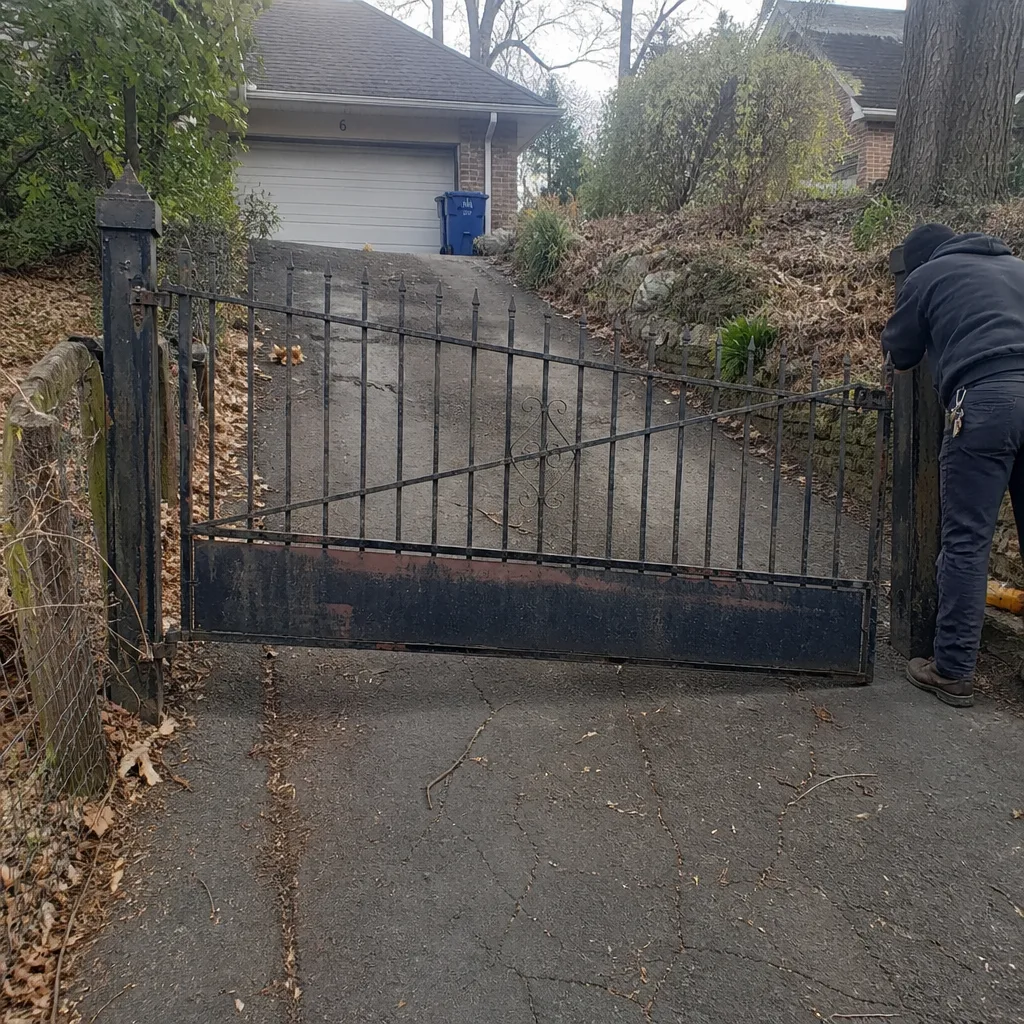 Before
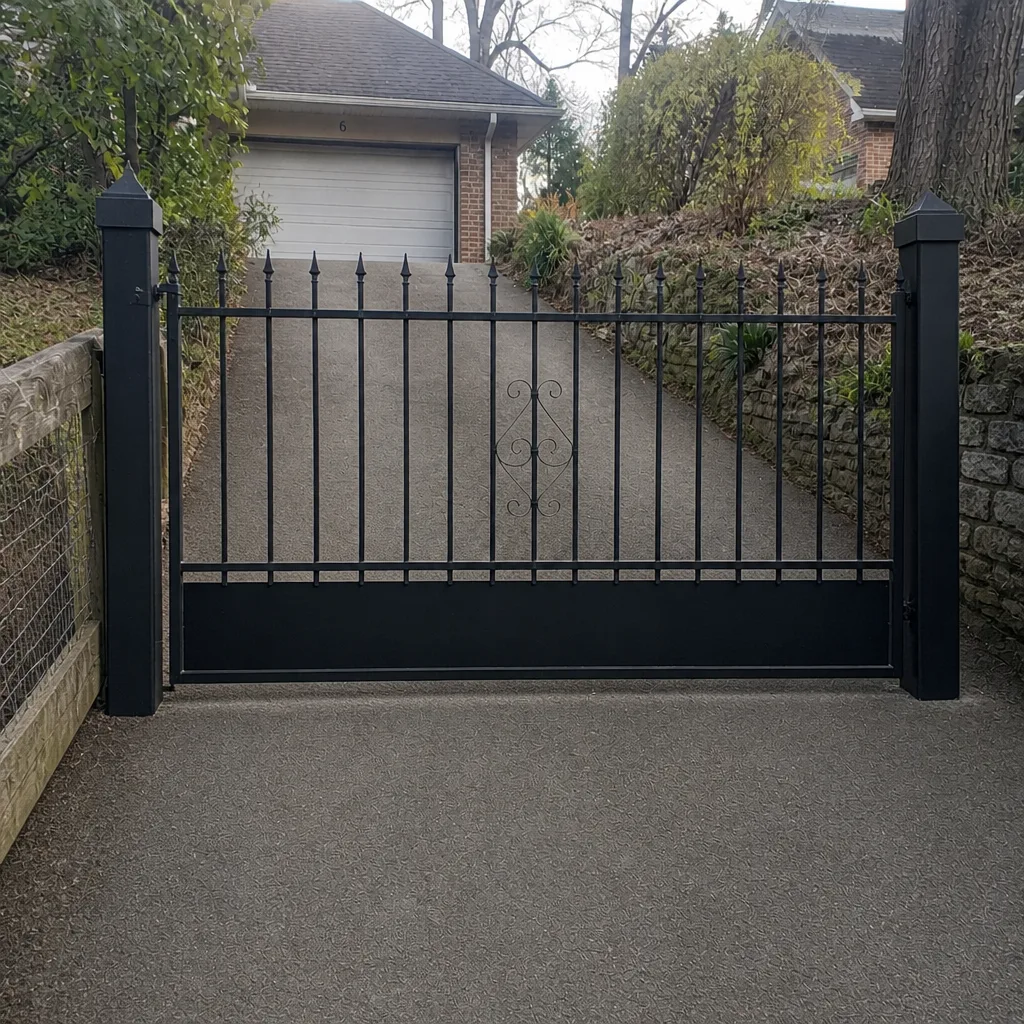 After
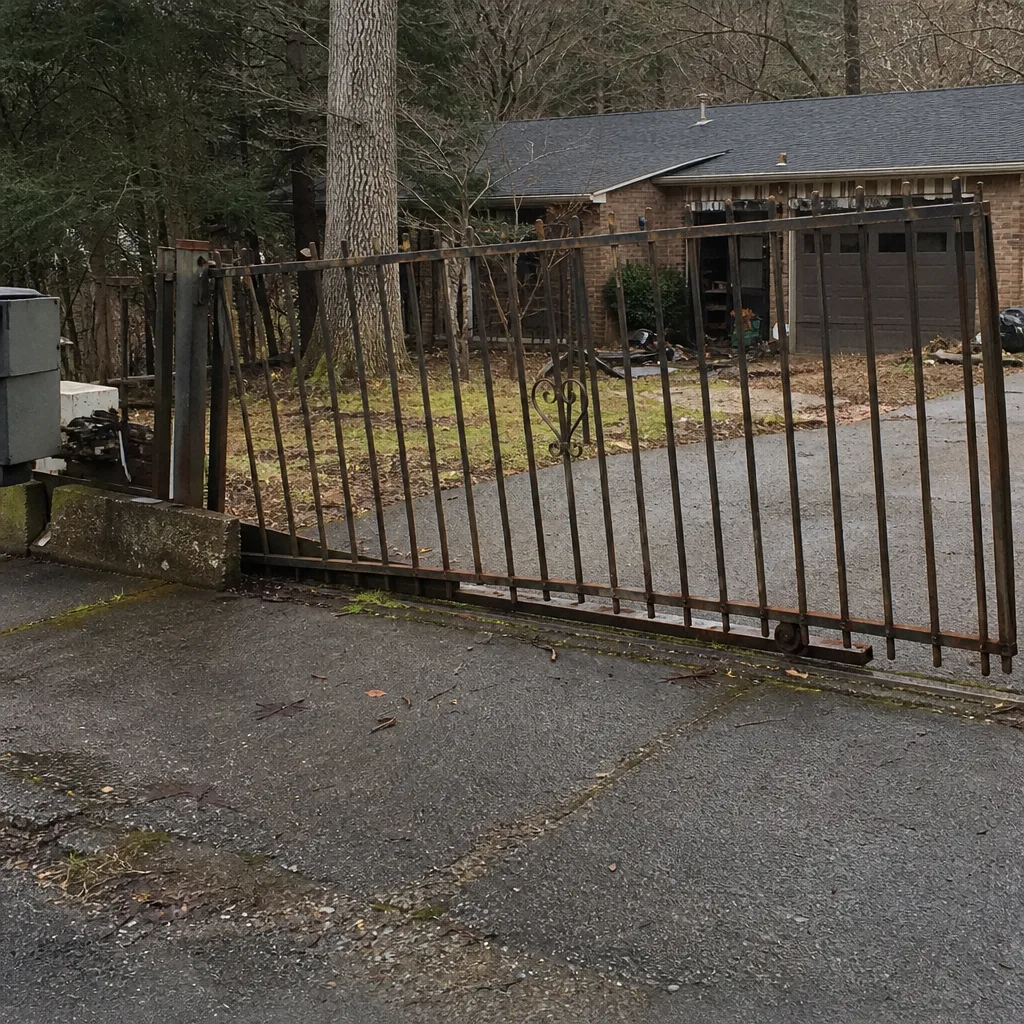 Before
 After
 Before
 After
When to Call a Professional
Some of this checklist is yours to do, and some of it belongs with a technician who works on gate systems every day. Call a professional when the gate reverses for no clear reason, when a post has moved or a frame has cracked, when the operator stalls in heat or slows in one direction, when a safety sensor won’t hold alignment, or when a keypad or access system fails intermittently. Call immediately if the gate’s motion ever feels unsafe, if a slide gate comes off its track, or if you see damaged wiring or a control enclosure that’s taken on water. The electric and control side in particular should go to a trained technician, because the voltages involved are not a homeowner’s risk to take.
Knoxville Gate Repair Co offers free estimates in Knoxville – call (877) 820-8549. We answer 24/7. Fast dispatch from 7am to 7pm, Sunday through Friday. Our technicians have up to 8 years of experience, and we work on the whole system from the hinge to the control board, so a fault gets diagnosed correctly the first visit instead of guessed at.
Frequently Asked Questions
Monthly for the basic walk-around (hinges, latch, sensors, obstruction sweep), seasonally for the operator and drive gear, and quarterly for entry hardware and access control. Add two Knoxville-specific checks: conduit seals after summer storms and post footings after winter freeze. Keep to those intervals and most faults get caught while they’re still small.
Moisture has almost certainly gotten into a seal, a junction box, or a control-board connection. Wind-driven rain in Knoxville works seals loose over a season, and water in the conduit travels to the splice. Note when it happens and call a technician; a fault that tracks with rain is easy to locate once someone knows the pattern. Call (877) 820-8549 for a free estimate.
You can lubricate hinges and pivot points yourself using the lubricant the maker specifies. Using the wrong product, or lubricating the wrong parts in the wrong way, is what can affect a warranty, so check the manual first. Anything inside the operator housing should be left to a technician who knows that brand.
Usually, yes. A misaligned, dirty, or intermittent safety sensor is the most common cause of unexplained reversal. Clear the lenses, confirm the beam isn’t clipped by a shifted post or shrub, and test the sensors monthly. If it still reverses, it’s a diagnostic job for a technician. Call (877) 820-8549 for a free estimate.
Yes, after the winter freeze-thaw cycle. Ground movement can heave or settle a post even at proper footing depth, which throws the gate out of alignment and forces the operator to work harder every cycle. Check for lean, movement, and base cracking after winter. Call (877) 820-8549 for a free estimate.
Name the brand and model of your operator and access hardware so the technician knows what they’re working on. We service systems from brands including Viking, Ghost Controls, DoorKing, Elite, and more, so tell us what you have. Call (877) 820-8549 for a free estimate.
The Bottom Line
A Knoxville gate lasts longest when maintenance runs on a schedule, not on breakdowns. Do the monthly walk-around, lubricate the drive gear before summer, test the safety sensors, check the conduit after storms and the footings after winter, and keep a log that turns an intermittent fault into a pattern a technician can read. Those habits prevent the three cascading shortcuts that cost real money by month 18. Do the small work on time and the big repairs mostly never happen, and when something does need attention, a gate specialist who knows your brand diagnoses it the first visit.
Written by the team at Knoxville Gate Repair Co.