
Last updated November 25, 2026
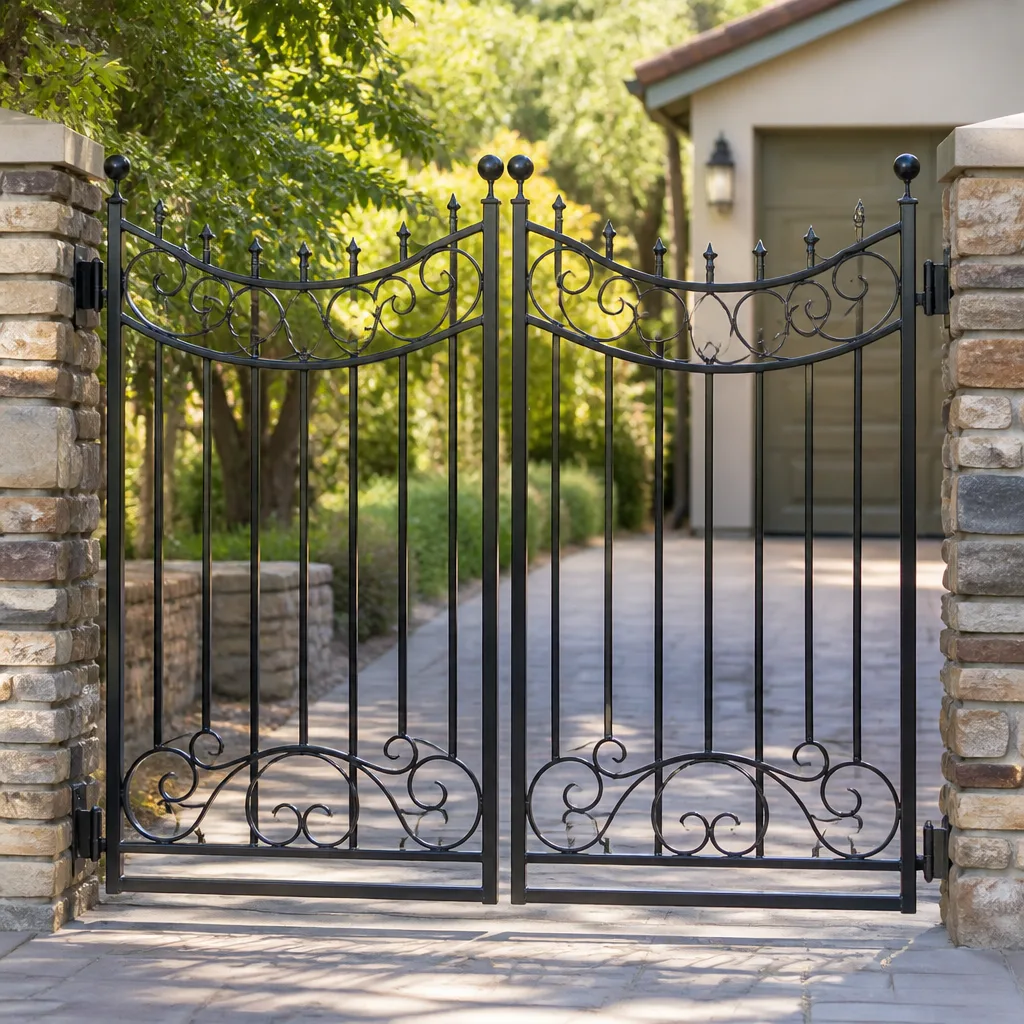 Wrought iron
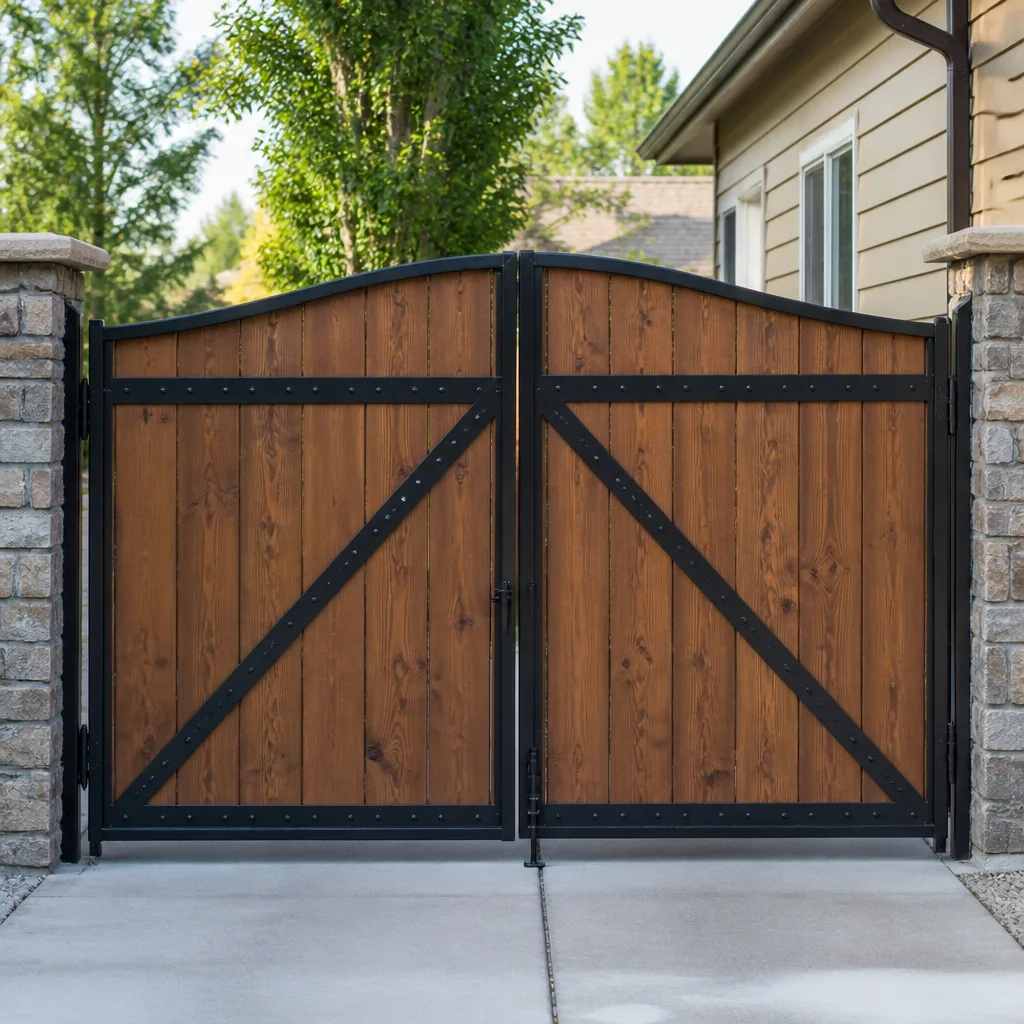 Wood & steel frame
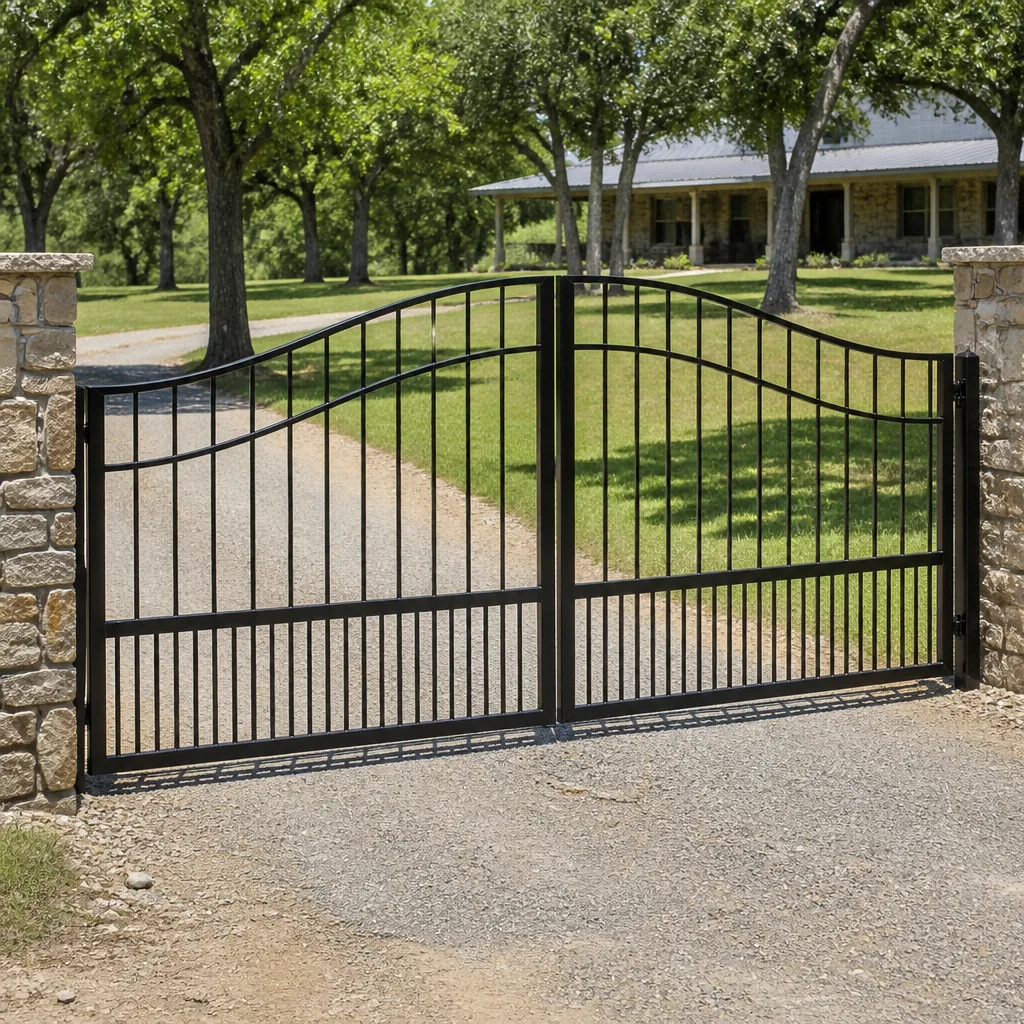 Farm & ranch
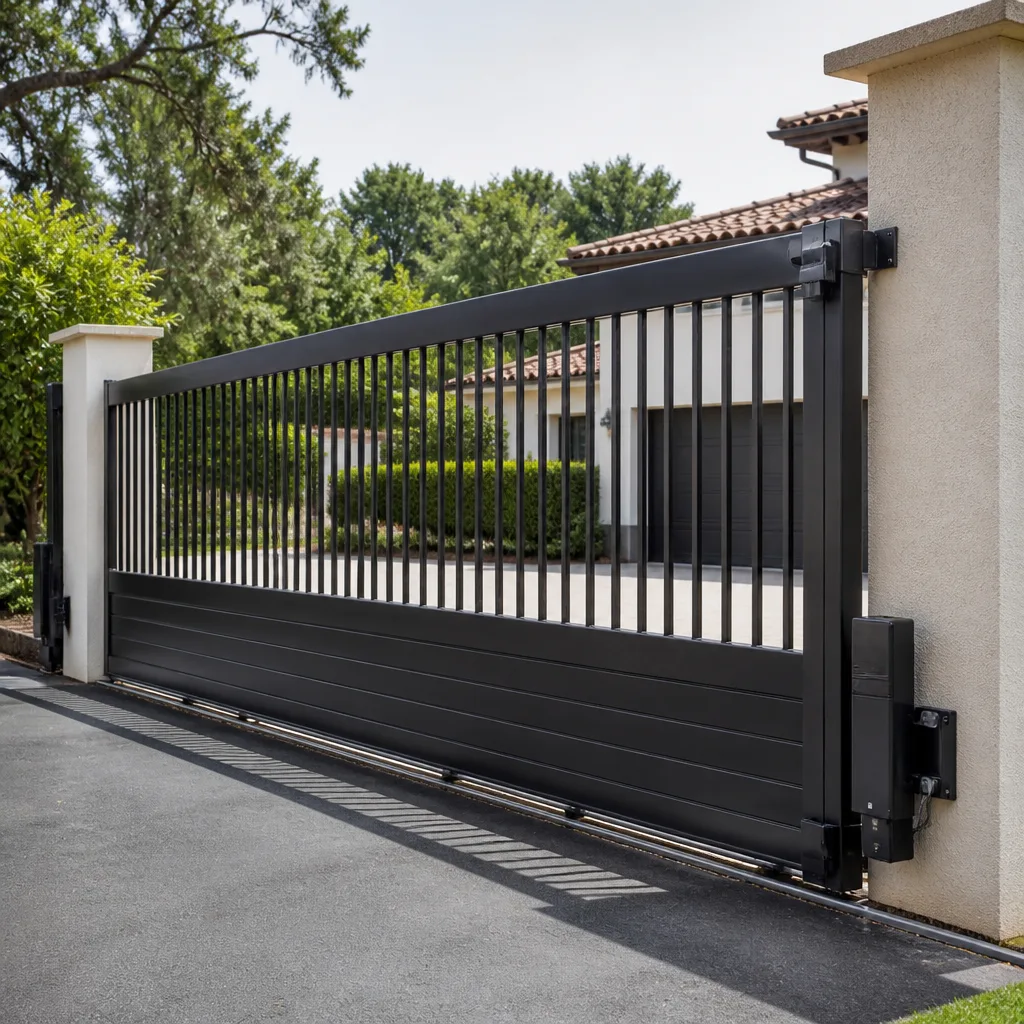 Sliding driveway gates
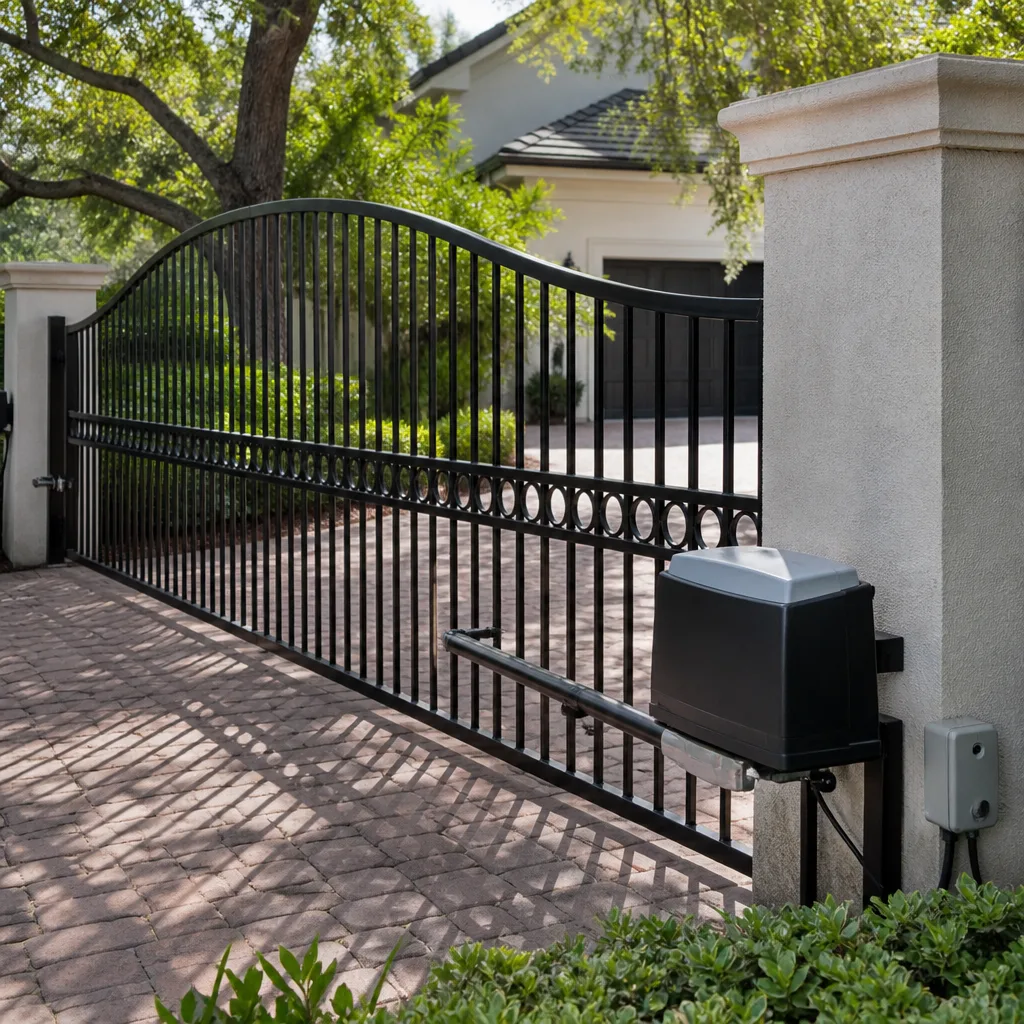 LiftMaster operators
Free on-site gate assessment - hinges, posts, and your LiftMaster or Nice gate operator checked before anything is quoted
The assessment is free and the quote is the invoice.
Get your free estimateGate Repair Warning Signs: A Knoxville Homeowner’s Reference Guide
A gate that hesitates for two seconds before it moves isn’t “breaking in.” It’s a motor working against increased mechanical resistance, and in most cases that resistance points to a bearing or drive gear failure somewhere 30 to 60 days down the road. Almost no gate fails without warning. The warning signs are quiet: a slightly different sound, a longer pause, a keypad that takes two taps instead of one. Homeowners who learn to read those signals schedule a repair on their own terms instead of dealing with a locked-in driveway on a Sunday morning. This guide walks through the warning signs by component, how to tell a nuisance glitch from a real failure indicator, and the Knoxville-specific environmental clues that predict where a gate will break next.
Quick Answer
Gate failure is usually preceded by five to eight observable warning signs over several weeks: slower travel time, new noises, sagging or binding panels, error codes, false triggers, keypad lag, and reduced fob range. Signs that allow a scheduled repair include slow movement, unusual sounds, and intermittent keypad delay. Signs that mean stop using the gate today include grinding from the operator, visible track separation, a gate that reverses without contact, and any sign of damaged wiring at the operator or control box.
Styles & brands we work with
- Wrought iron
- Wood & steel frame
- Farm & ranch
- Sliding driveway gates
- LiftMaster operators
Table of Contents
- Warning Signs in the Operator: Sounds and Timing Changes
- Structural Warning Signs: Sag, Binding, and Track Wear
- Electrical Warning Signs: Error Codes and False Triggers
- Access Control Warning Signs: Keypad Lag and Fob Range Loss
- Nuisance Intermittent Issue or Early Failure Indicator?
- Knoxville-Specific Environmental Warning Signs
- What Error Codes on Common Brands Actually Mean
- The Triage Question: Repair Now or Stop Using It?
Warning Signs in the Operator: Sounds and Timing Changes
The operator is the first component to broadcast trouble, and it does it through sound and timing before anything visibly breaks. A healthy motor runs at a consistent pitch with a steady rhythm from open to close. Any change in that pattern is worth noting. We tell homeowners in Knoxville to listen for the gate the way they’d listen to their car: you don’t need to be a mechanic to notice that something sounds different.
Common operator warning signs include:
- Slower travel time. If the gate takes noticeably longer to open or close than it did a month ago, the motor is fighting friction, weight, or a failing drive component.
- A new pause before movement. A one-to-three second delay between the command and the gate starting usually points to control-board or capacitor trouble, not the motor itself.
- Grinding or a rhythmic knock. This almost always means worn gears or a bearing that’s beginning to fail. Grinding is a stop-using-now sign.
- A high whine that wasn’t there before. Often the motor working harder because the gate has become heavier at the hinge or the track has developed resistance.
- A hard stop at the end of travel. A healthy operator eases into the limit. A slam at the end means limit switches are out of adjustment or the gate is being forced against an obstacle.
- Repeated tripping on the safety reverse. If the gate reverses without contact, the safety edge or photo-eye circuit needs attention immediately.
Timing changes matter as much as sounds. If you’ve timed your gate before and it’s now consistently five to ten seconds slower, that’s a measurable signal. On brands like LiftMaster and Viking we see this pattern most often when the operator is compensating for a failing hinge or a bent track, and it’s usually the earliest warning sign available.
Structural Warning Signs: Sag, Binding, and Track Wear
Structural problems are the ones homeowners most often mistake for a motor problem, because the operator is what actually pushes against them. A gate that sags at the hinge is a gate the motor has to lift every time. Over months, that added load is what kills the operator. Here in Knoxville, where the ground moves through wet springs and dry summers, posts and hinges take a beating that shows up long before anything breaks.
Look for these structural warning signs:
- Sagging at the hinge side. A gate that dips at the latch end of travel, or drags along the ground at the far end, has a hinge or post issue.
- Binding in the middle of travel. If the gate hesitates at the same point every time, it’s binding against the post, the track, or the frame.
- Visible post movement. A post that wiggles when you push the gate, or a post with soil pulled away from the base, is a real problem and not a cosmetic one.
- Track separation or roller wear. Sliding gates live or die by their track. Any visible gap, lifted rail, or flattened roller predicts a track failure.
- Loose or bent hinges. Hinges that wobble, or that show a bright metal wear pattern, are close to failure and should be replaced before they strip.
- Rust streaking from a specific point. Rust that arcs from a single hinge, weld, or bolt means water is pooling or the coating is compromised there. It’s also a marker of where failure will happen next.
If any of these structural signs are present, the operator may also need attention, but the repair order matters: fix the structure first, then judge the motor. We see this repeatedly in Knoxville. A homeowner replaces the operator and the new one fails in a few months because the gate was still binding the entire time.
Electrical Warning Signs: Error Codes and False Triggers
Electrical and electronic failures tend to be the most frustrating to diagnose and the most dangerous to ignore. The gate power circuit, the low-voltage control wiring, and the safety devices all interact, and a small fault in one area can look like a problem somewhere else entirely. Wires under a driveway, in a soil trench, or along a fence line take moisture and root pressure year after year, and the failure is usually intermittent long before it’s permanent.
Electrical warning signs that deserve attention:
- Error codes on the operator display. Note the code exactly as it appears before anything else happens.
- False triggers. The gate opens on its own, or reverses when nothing is in its path. This is a safety-circuit fault and should stop use immediately.
- Photo-eye or safety-edge failures. If breaking the beam no longer stops the gate, the safety circuit has failed in the unsafe direction and the gate is not compliant.
- Lights that dim when the gate runs. Voltage sag on a shared circuit is a warning that the operator is drawing more current than normal.
- Burn marks, smell, or heat at the control box. Stop using the gate and have it diagnosed.
- Water intrusion at the control box or operator housing. Even when the gate still works, moisture inside electronics is a short waiting to happen.
Electrical faults are not a job for a homeowner. Any sign of damage or water intrusion at the operator, control box, or buried low-voltage wiring should be inspected by someone who works with gates and gate circuits on a daily basis. If you’re already seeing electrical warning signs, our gate repair team can diagnose the fault in one visit, and if you’re weighing repair against replacement, the gate installation route is worth pricing at the same time.
Access Control Warning Signs: Keypad Lag and Fob Range Loss
Access control is where warning signs are easiest to miss, because the gate still works. A keypad that takes two taps instead of one, or a remote that only works when you’re three feet closer than you used to be, reads as a small annoyance. In our experience it’s usually one of the earliest indicators that something in the access-control chain is failing: the receiver, the keypad’s battery or contacts, the control board, or the antenna.
Common access-control warning signs:
- Keypad lag. Codes that require multiple attempts, or a backlight that flickers or stays off, usually point to the keypad or the low-voltage supply feeding it.
- Fob range loss. Remotes that used to work from inside the car and now only work within a few feet are a very common sign of a weakened receiver or a poor antenna connection.
- One fob works, another doesn’t. This usually isolates to the specific fob, but if it’s happening across several fobs it’s a receiver or control-board issue.
- Codes deleted or forgotten. A keypad that keeps losing resident codes on its own is failing, not malfunctioning in a user sense.
- Call-box or intercom trouble. On DoorKing and similar systems, an intermittent call-box is often a phone-line or network connection rather than the unit itself.
- Vehicle transponder failure. Built-in vehicle transponders that stop working, while the handheld remote still does, are a signal the transponder or its pairing is bad.
For property managers with multi-unit access, these signs are more serious than they look. Once keypad or receiver behavior starts drifting, the whole system is on a countdown, and it’s a lot easier to schedule a fix than it is to manage a gate that closes out a resident with a delivery truck and nowhere to turn around. Our team regularly works with access control systems in Knoxville, including gated communities and commercial lots.
Nuisance Intermittent Issue or Early Failure Indicator?
The hardest question on any gate is whether a one-time weird behavior is worth calling about. Here’s the rule we use: a nuisance is a single event with a clear, external cause that doesn’t repeat. A failure indicator is anything that recurs on a schedule, happens under load, or gets worse over time. If your gate reversed once when a car door was opened in the driveway, that’s likely the photo-eye catching a reflection, and one clean reset is a reasonable answer. If it has reversed twice in a week with nothing nearby, that’s a failure indicator.
Use this checklist to tell the difference:
- How often does it happen? Once and never again is a nuisance. Once a week is a pattern. Once a day is a failure in progress.
- Does it happen under load? Trouble that appears only when the gate is moving against wind, weight, or a full cycle is mechanical or electrical resistance, not a random glitch.
- Is it getting worse? Compare this week to last week and last month. Any consistent drift in timing, sound, or behavior is a warning sign.
- Does it have an external cause? Reflection, a low battery in a remote, a power blip, or a limb across the photo-eye are external. Nothing visible that explains the behavior is not.
- Does the gate still complete a full cycle cleanly? If yes, a scheduled repair is usually appropriate. If no, stop using it.
That last question governs everything else. A gate that can be cycled cleanly today is probably a candidate for a scheduled repair, and the earlier you call, the more options remain. A gate that can’t complete a cycle cleanly is a job for a technician, in Knoxville or anywhere else. Our Knoxville Gate Repair Co team answers this question on the phone before anyone rolls a truck, which is usually what a homeowner actually wants.
Knoxville-Specific Environmental Warning Signs
Knoxville sits in a valley climate with warm, wet summers and cold, wet winters, and gates here show a specific pattern of failure that coastal or desert gates don’t. The two big drivers are soil movement and moisture cycling. Our heavy spring rains saturate the clay-heavy soil around gate posts, and our dry stretches in late summer shrink it back. That cycle works on posts and footings twice a year, and it’s the reason post movement is one of the warning signs we check first in Knoxville.
Knoxville-specific signs worth watching:
- Rust streaking patterns. Streaks that start at a specific hinge, weld, or bolt show where moisture is pooling on the gate and where the coating has failed. Those are the points most likely to fail next, especially on gates under tree cover in neighborhoods like Sequoyah Hills or Fountain City.
- Post tilt after the wet season. A gate post that has shifted slightly by March or April is starting to move. It will move back as the soil dries, and the wobble is what fatigues the hinge.
- Gate drag at the far end. Because the soil shifts, sliding gates can begin to drag on the track after a wet season. That drag is the first sign the track needs realignment.
- Winter freeze/thaw cycle wear. Water that gets into a crack in the operator housing, keypad, or control box and then freezes will widen the crack when it thaws. In Knoxville that cycle repeats all winter.
- Tree-limb contact with wiring. Mature trees are part of the landscape in most Knoxville neighborhoods. Limbs resting on the low-voltage wire, or growing into the operator housing, will damage both over time.
- Leaf-litter buildup in the track. Deciduous trees here drop material into gate tracks all fall. If the track isn’t cleared, wet leaves become a paste that grinds into rollers and accelerates wear.
None of these are guesses. In our experience across Knoxville, the gate failures we see cluster in late spring and again in mid-winter, and the warning signs were almost always present in the months before. The seasonal pattern means the best time to schedule a repair is the shoulder season, when the symptoms are clear but nothing has failed yet.
What Error Codes on Common Brands Actually Mean
Error codes are the operator’s way of telling you something, but the manual definition is usually less useful than the plain-language meaning. Here’s what we tell homeowners when they call us with a code on the display:
- LiftMaster: The most common codes on residential LiftMaster operators point to an obstruction or a photo-eye fault. If the photo-eye LED is off or flickering, the safety circuit is open and the gate won’t run. That’s an electrical or alignment issue, not a motor issue. A code that appears mid-travel, with nothing in the path, usually means a failing photo-eye or a bad connection at the operator.
- Viking: Viking operators commonly display a fault when the gate reverses during travel. On Viking systems that almost always traces to the safety edge or the limit switch, and the operator is doing exactly what it was designed to do. Don’t replace the operator before you’ve confirmed the reverse signal is actually a failure and not a real obstruction.
- FAAC: FAAC and similar commercial-grade operators use diagnostic codes that favor the encoder. A gate that stops partway and shows an encoder or position code usually has a position-sensor problem, which is a technician-level diagnosis. This is one where the code is accurate but the cause behind it isn’t obvious without a meter.
The general rule we apply: a code that only appears at startup is often a nuisance, while a code that appears mid-travel is usually real. If the gate fails at the same point in the cycle every time, no code is needed to tell you it’s a genuine early failure indicator. If you’re seeing a code repeatedly on any of the brands we work with (Ghost Controls, DoorKing, Elite, Mighty Mule, and the rest), it’s worth writing down exactly what the display shows before calling, and worth noting whether the gate moves at all when you try to run it.
One more warning: error codes are not a diagnostic shortcut for replacing parts. We’ve seen homeowners in Knoxville replace a control board for a photo-eye problem, and a photo-eye for a control board problem. The code is a clue, not a verdict. For access-control systems that display a code, sometimes the code is about the receiver or the keypad rather than the operator at all, which is why gate-only diagnostics matter. Our gate motor & opener service covers this diagnostic work directly, and it’s usually done in a single visit.
The Triage Question: Repair Now or Stop Using It?
This is the only section of this guide that matters if a gate is misbehaving today. Two short lists, one for each answer. If anything on the “stop” list is true for your gate right now, stop using the gate and call (877) 820-8549. If everything on the “stop” list is false, and the signs you’re seeing are on the “schedule” list, pick up the phone and book an appointment without urgency.
Schedule a repair (not urgent):
- Gate runs slower than it used to, but completes a full cycle cleanly.
- New sound from the operator that’s consistent and not grinding.
- Keypad lag, fob range loss, or a keypad that requires two taps.
- Visible rust streaks at a hinge or weld.
- One-time reverse with a clear cause (reflection, a leaf in the beam).
- Gate drags slightly but still opens and closes on command.
- Interior light dims slightly when the gate runs, but the gate is fine.
Stop using the gate (call today):
- Grinding, popping, or a rhythmic knock from the operator.
- Gate reverses without any contact or obstruction.
- Visible track separation, a lifted rail, or a roller that has come off.
- Any sign of damage, water, or heat at the control box or operator housing.
- Sagging that drags the gate panel along the ground, or a hinge that’s clearly failed.
- Safety edge or photo-eye no longer stops the gate.
- Gate stops mid-travel and stays stopped until manually cycled.
None of these are different diagnoses because you’re in Knoxville; the stop list is the stop list. But our team knows the local gate systems, the local weather cycles, and the local access-control setups well enough to skip the trial-and-error phase that a general repair service would go through.
Common Mistakes to Avoid
- Waiting until the gate stops entirely. Every warning sign on this list is a chance to schedule a repair at your convenience. Waiting for full failure usually means paying for a more significant repair and losing access to your driveway for days.
- Replacing the operator when the gate is the problem. In Knoxville, we regularly see a new operator fail because the original gate was binding or the post had shifted. Fix the structure and the track first, then judge the motor.
- Ignoring keypad lag. A keypad that takes two taps is not a user problem. It’s a warning that the access-control chain is degrading, and it usually gets more expensive the longer it’s left alone.
- Assuming a single error code means a single part. Codes point at a fault, not a failure. Replacing the part the code names without confirming the real cause is where most unnecessary repairs come from.
- Letting leaves and limbs sit in the track or on the wiring. Fall leaves, then winter rain, then spring growth, is the exact sequence that damages a track in Knoxville. A few minutes of clearing in the fall prevents most of it.
- Calling a general handyman for a safety-circuit issue. Photo-eye, safety-edge, and control-board faults are gate-system work. A generalist may get the gate to move again without fixing the safety system, which is worse than leaving it off.
- Using an access-control system that keeps losing codes. Repeated code loss on a keypad or receiver is a sign of a failing unit, not a resident issue. Treat it as a warning sign, not a housekeeping task.
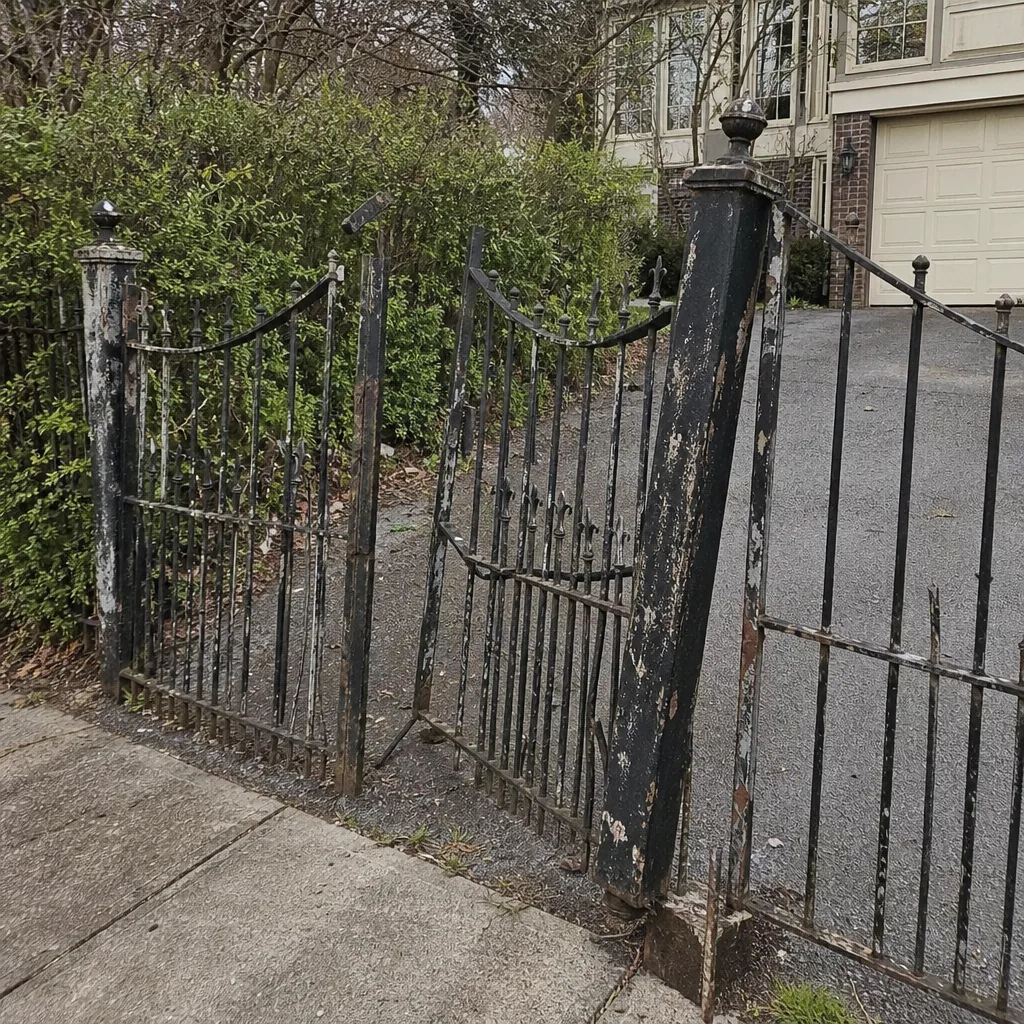
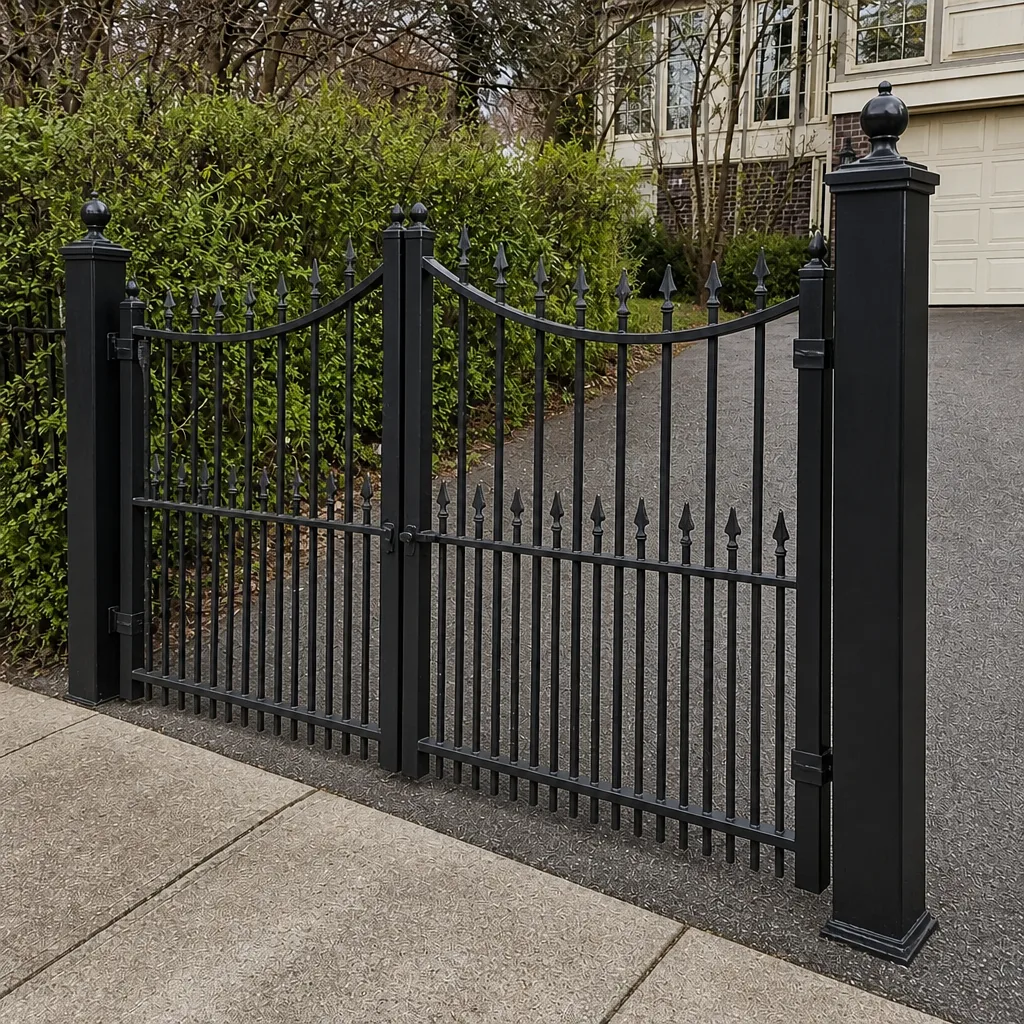
See the difference
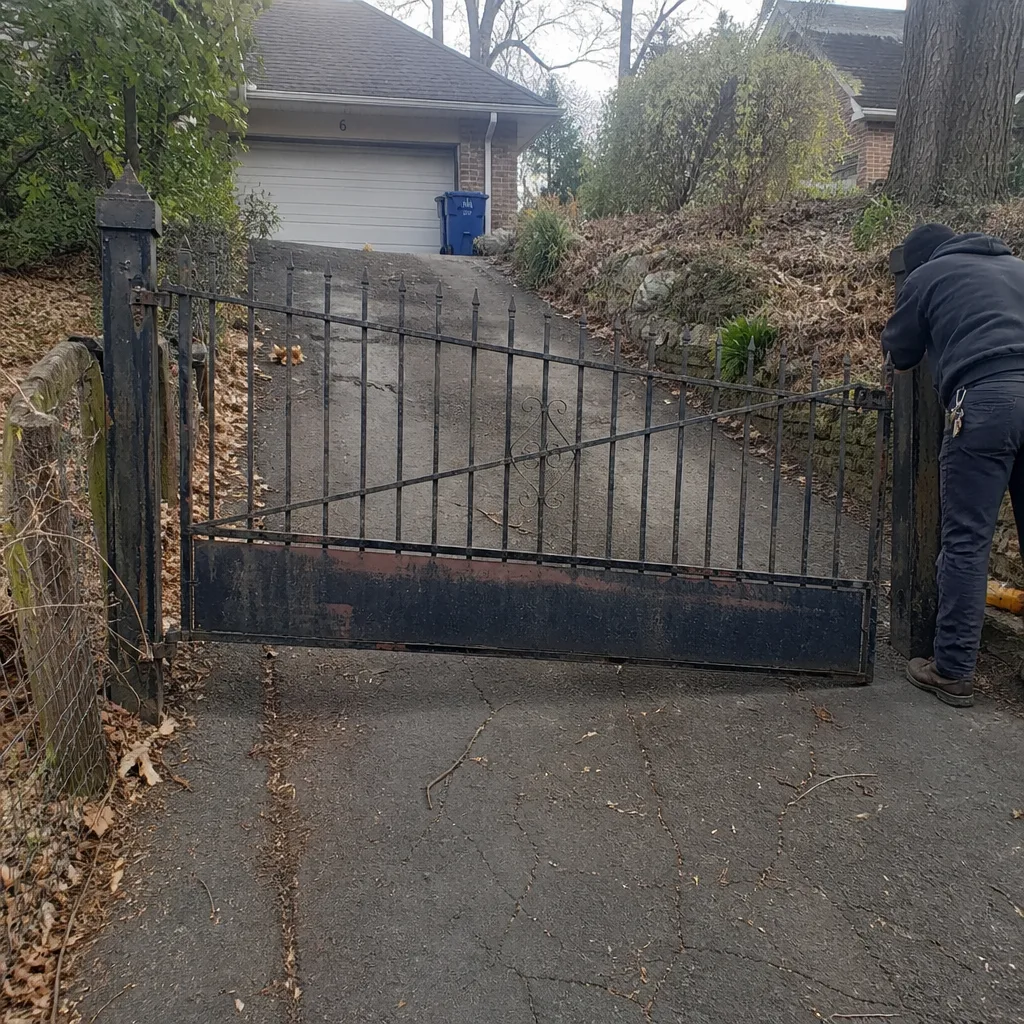 Before
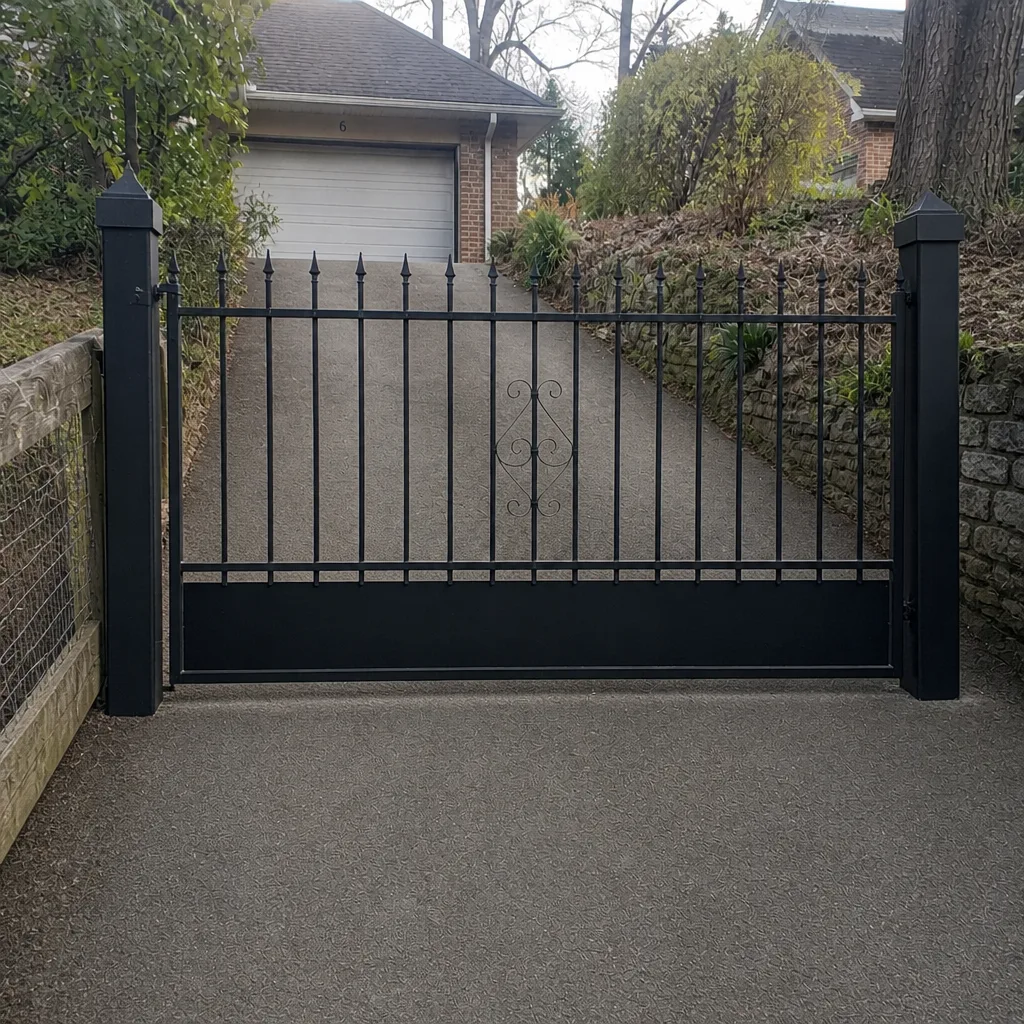 After
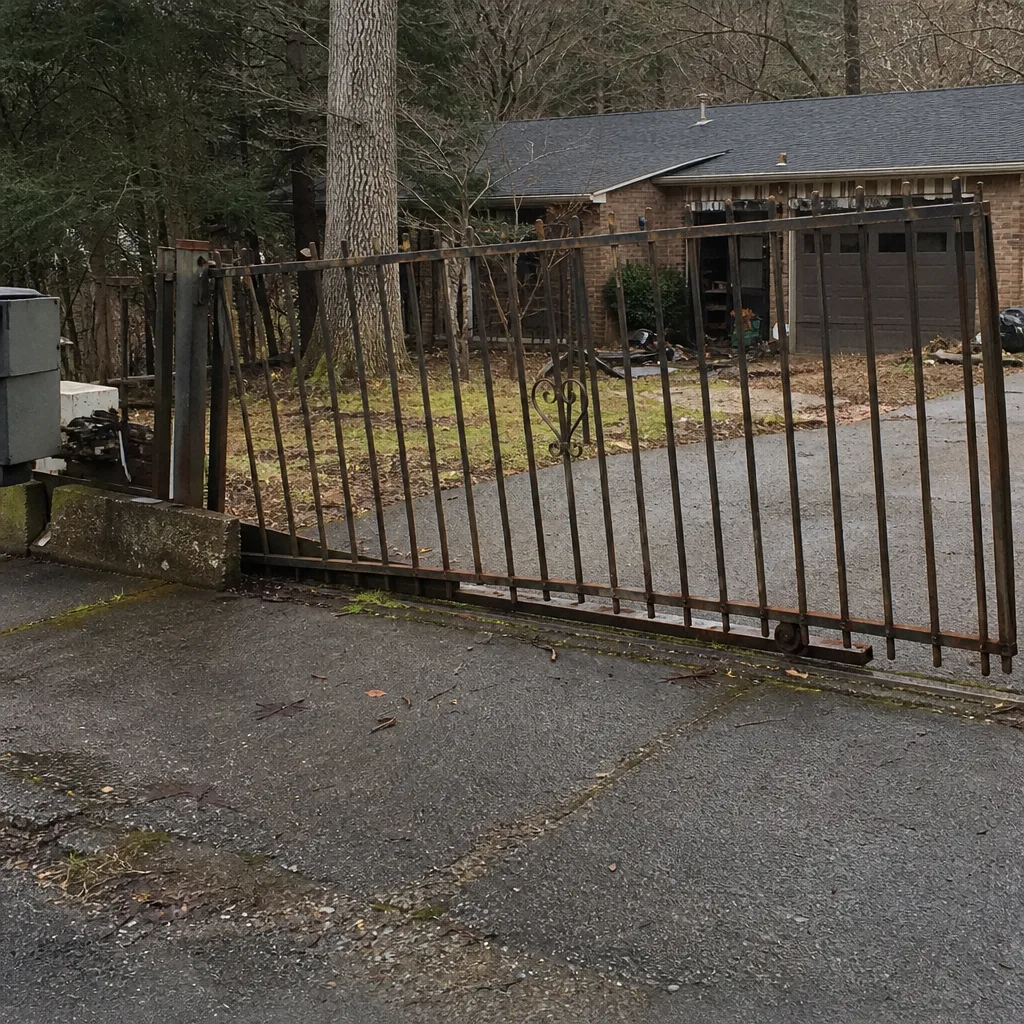 Before
 After
 Before
 After
When to Call a Professional
Call a professional when you can’t complete a full cycle cleanly, when the gate reverses without contact, when you see or smell anything wrong at the control box, or when the gate’s travel time has changed and you can measure it. Those are the situations where a wrong guess costs more than a diagnostic. Call a gate specialist rather than a general handyman when the problem is in the access-control chain, the safety circuit, or a commercial-grade operator, because those are the places generalist guesses are most common and most expensive.
For an intermittent issue you can’t pin down, keep a simple log for a week: date, time, what happened, whether the gate finished its cycle, and any code on the display. That log will turn a nuisance into a diagnosis on the first visit. Knoxville Gate Repair Co offers free estimates in Knoxville. Call (877) 820-8549. We answer 24/7. Fast dispatch from 7am to 7pm, Sunday through Friday.
Frequently Asked Questions
The earliest warning signs are a change in travel time and a change in operator sound: the gate runs noticeably slower than it did a month ago, hesitates before moving, or makes a new pitch or whine. In our experience, these are usually present for weeks before any visible failure, and they’re the best opportunity to schedule a repair rather than deal with a lockout. Call (877) 820-8549 for an exact quote. Estimates are free.
Yes. A gate that reverses without contact or obstruction has a fault in the safety circuit, and that fault is in the unsafe direction. Stop using the gate and have it diagnosed. The gate’s safety edge or photo-eye is there to prevent injury, and a gate that reverses unpredictably is not reliable protection. Call (877) 820-8549. We answer 24/7.
A keypad that requires two taps is usually showing early wear in the keypad itself, a weak low-voltage supply, or a failing control board input. It’s a warning sign, not a quirk to live with. Left alone, keypad lag tends to progress to intermittent codes and then to total keypad failure, and the fix is easier earlier. Call (877) 820-8549. Estimates are free.
Yes, and the pattern shows up clearly in the warning signs. Wet spring soil shifts posts and tracks, dry summer soil lets them shift back, and winter freeze/thaw cycles widen cracks in housings and keypads. Our gate failures cluster in late spring and mid-winter, and in almost every case the warning signs, especially rust streaks and a slight drag, were visible in the months before. Call (877) 820-8549. Fast dispatch from 7am to 7pm, Sunday through Friday.
Most LiftMaster codes on residential operators indicate an obstruction or a photo-eye fault, not a motor problem. If the photo-eye LED is off or flickering, the safety circuit is open. A code that appears mid-travel with nothing in the path usually points to a failing photo-eye or a bad connection, which is a technician diagnosis, not a part swap. Call (877) 820-8549 for an exact quote.
Repair is usually the right answer when the gate structure, track, and posts are sound and the failure is in the operator, motors, access control, or safety circuit. Replacement is worth considering when the gate itself has structural damage or the access-control system is very old and parts are becoming hard to find. A free estimate will tell you which road you’re on. Call (877) 820-8549. We answer 24/7.
The Bottom Line
Gates fail with warning, not by surprise. Slow travel time, a new sound, a two-second hesitation, a keypad lag, rust streaks at a hinge, and a post that wobbles after the wet season are all readouts of mechanical or electrical wear that a gate specialist can measure and a homeowner can watch for. If you learn one thing from this guide, learn the triage question: if the gate completes a full cycle cleanly, schedule it; if anything on the stop list is true, stop using it today. Either way, call early. The best repair is the one you plan.
Ready to have your gate looked at by a gate-only specialist? Call (877) 820-8549 for a free estimate. We answer 24/7, with fast dispatch from 7am to 7pm, Sunday through Friday.
Written by the team at Knoxville Gate Repair Co.