
Last updated November 25, 2026
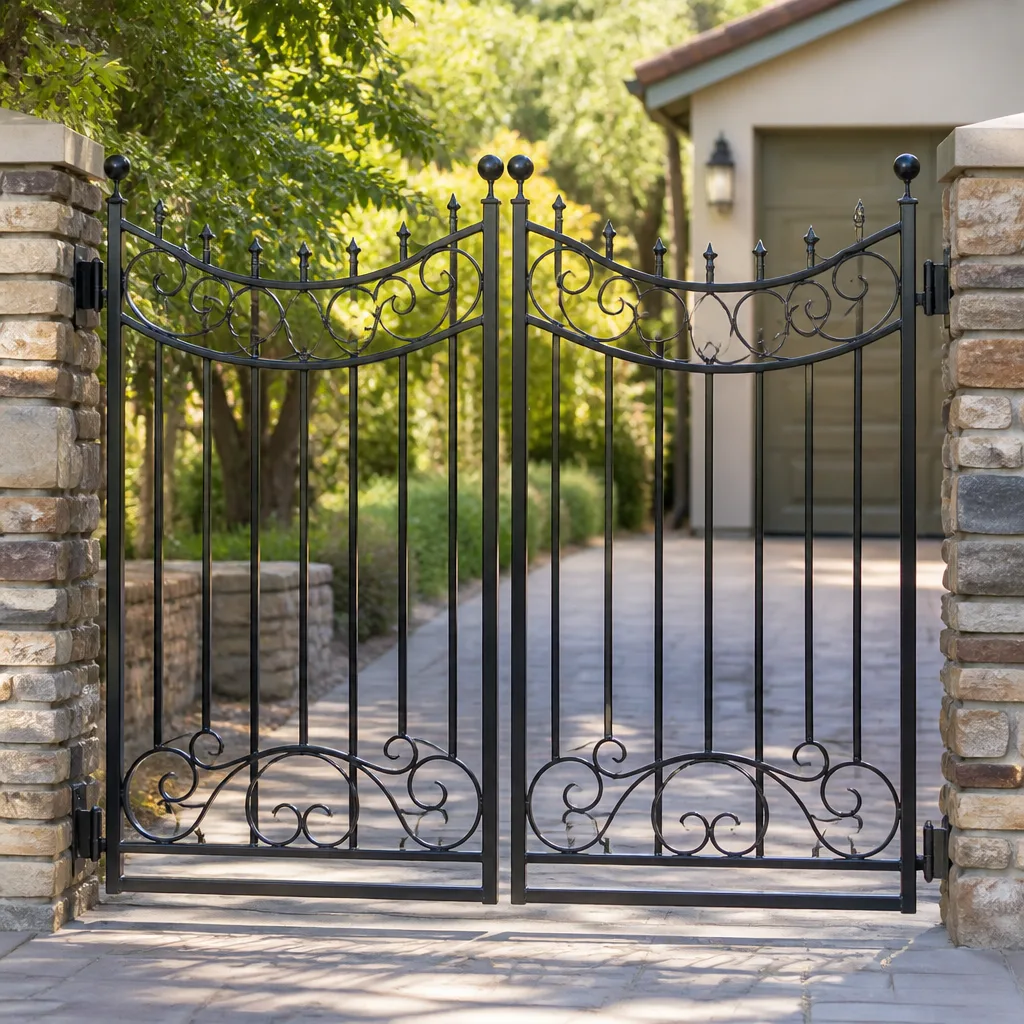 Wrought iron
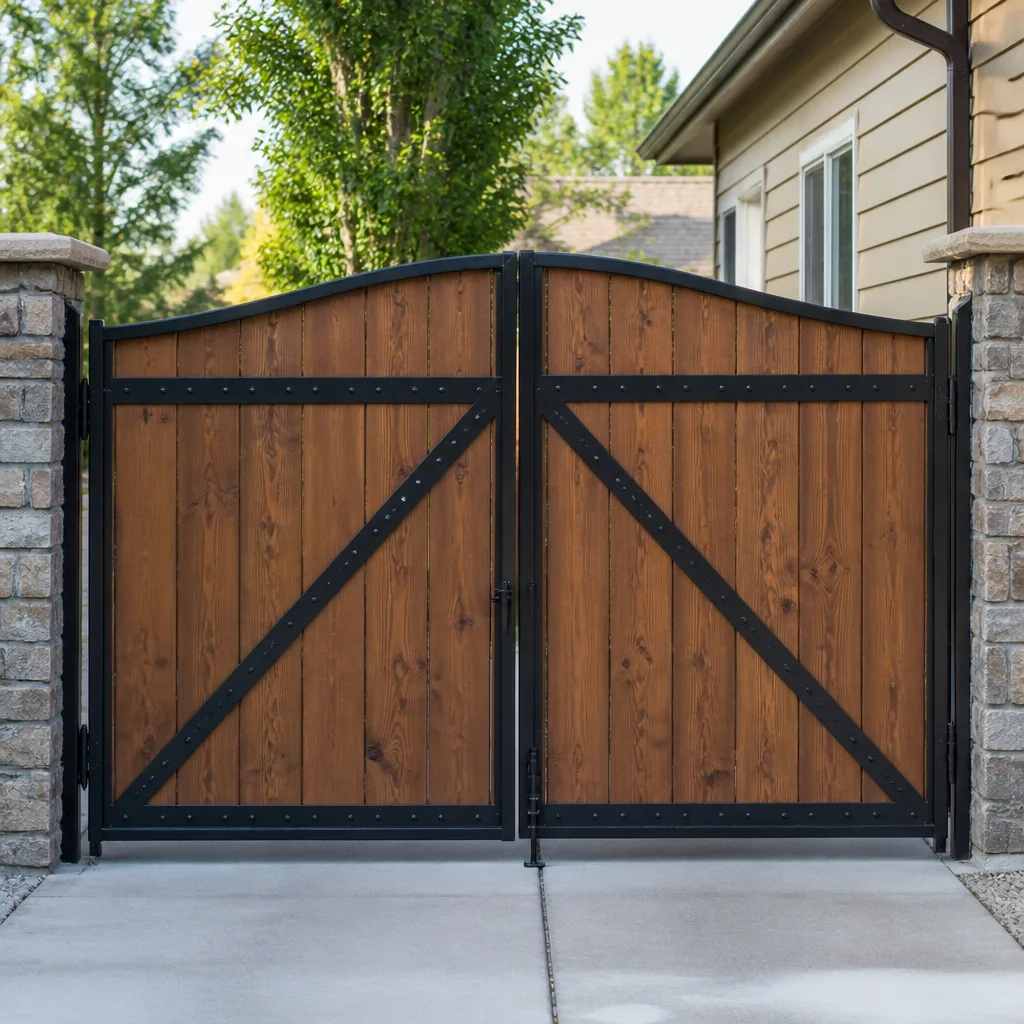 Wood & steel frame
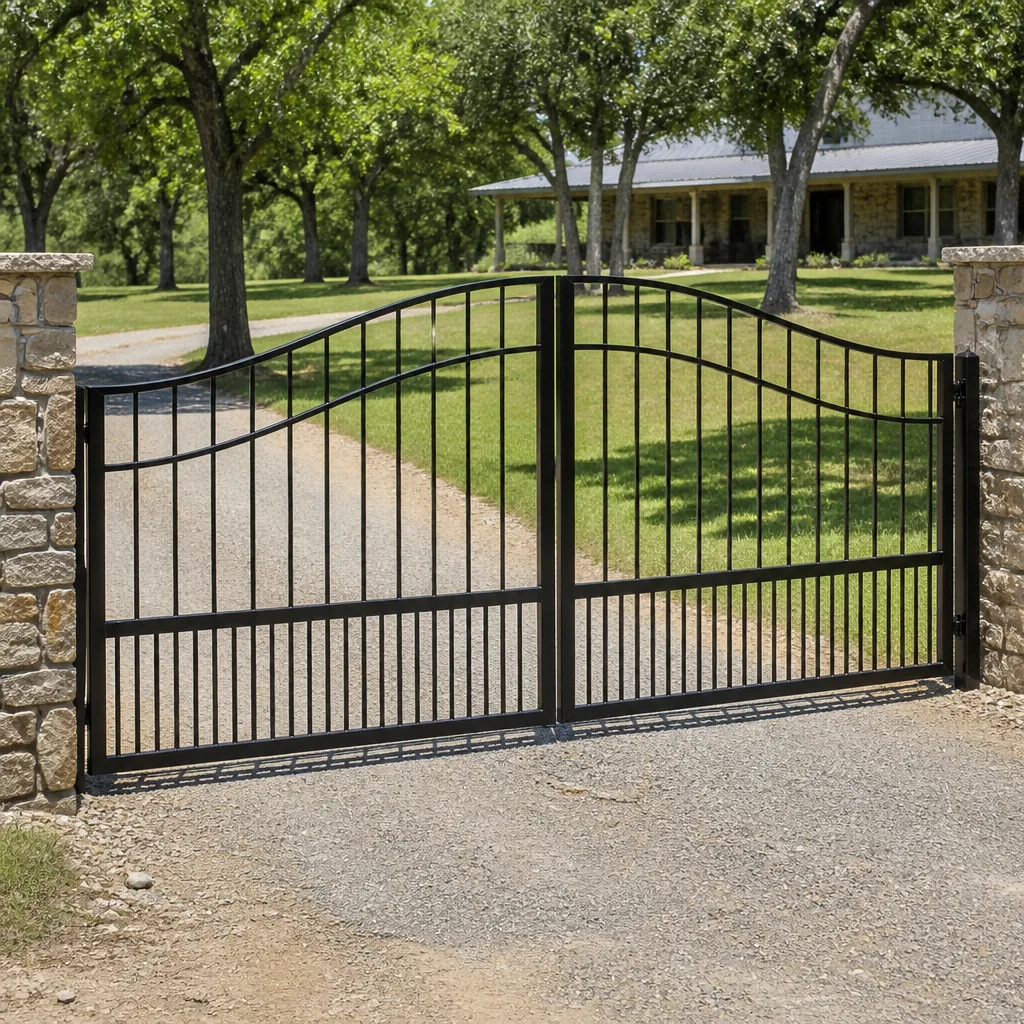 Farm & ranch
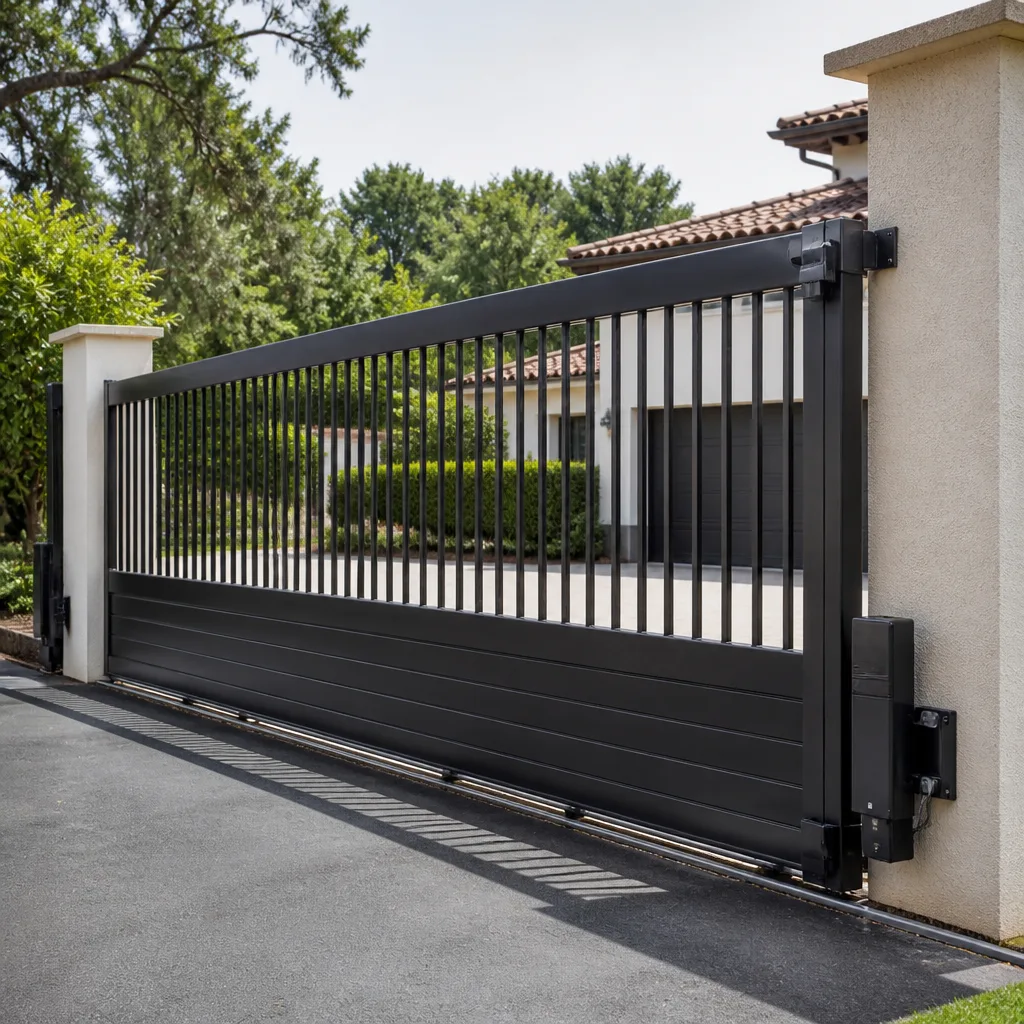 Sliding driveway gates
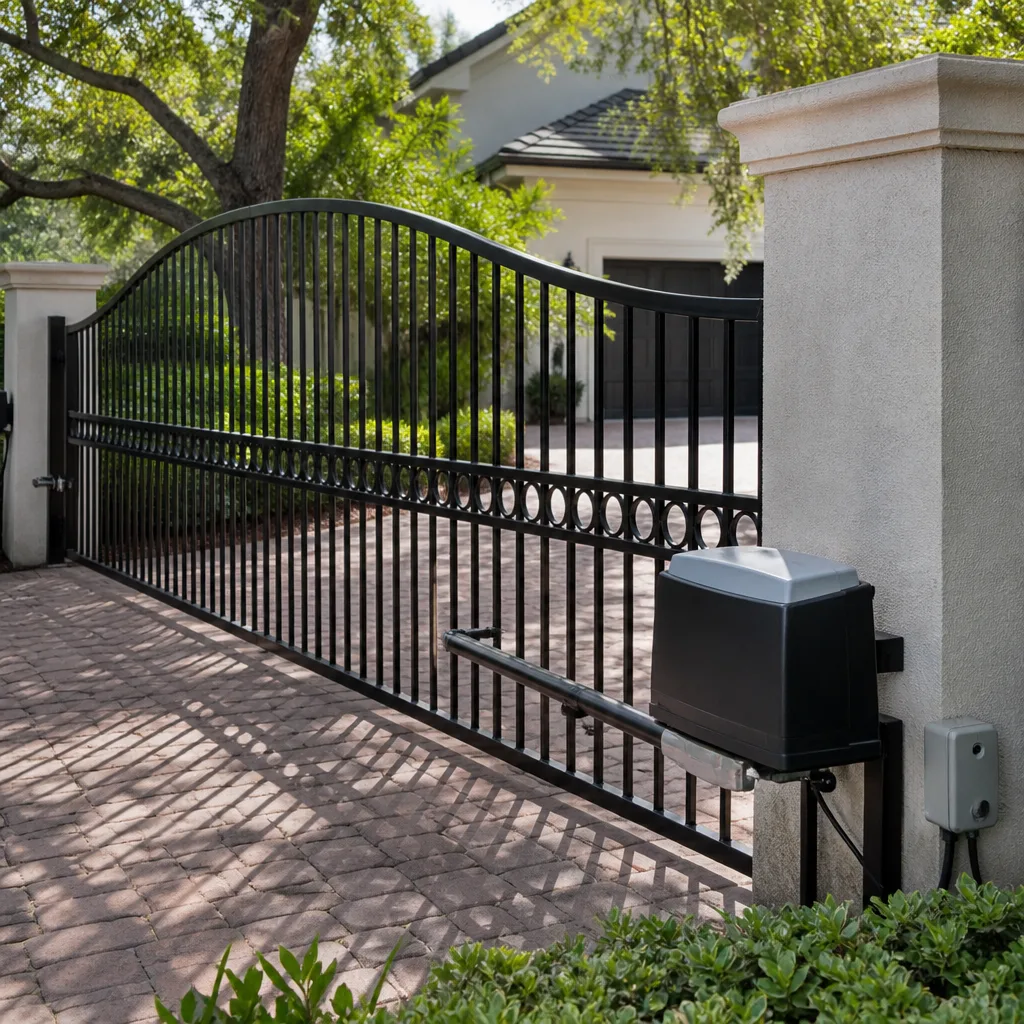 LiftMaster operators
Free on-site gate assessment - hinges, posts, and your LiftMaster or Nice gate operator checked before anything is quoted
The assessment is free and the quote is the invoice.
Get your free estimateThe Complete Guide to Gate Repair in Knoxville
Most calls we get about a “broken gate” turn out to be one of two things: a dead battery backup or a limit switch that has drifted out of alignment. Both are fixable in under an hour by a technician who knows where to look. The trouble is that a gate failure looks the same from the driveway whether the problem is a $40 part or a seized actuator that needs replacing, and guessing wrong sends people down expensive dead ends. This guide maps the six categories a gate failure can fall into so you can tell a mechanical problem from an electrical one, from a control-board fault, from a post that has simply shifted in Knoxville’s clay soil. By the end you’ll know what you’re dealing with and what a legitimate repair estimate should include.
Quick Answer
A gate repair in Knoxville is the diagnosis and fix of whatever has stopped your gate from opening, closing, latching, or responding to commands. The job starts with identifying which of six failure categories you’re in – mechanical, electrical, access-control, structural, environmental, or operator error – because that determines both the parts cost and the type of technician required. A specialist diagnoses correctly on the first visit rather than replacing parts by trial and error, and a written estimate sets the price before any work starts.
Styles & brands we work with
- Wrought iron
- Wood & steel frame
- Farm & ranch
- Sliding driveway gates
- LiftMaster operators
Table of Contents
- The Six Failure Categories of a Gate System
- Why Knoxville’s Clay-Heavy Soil Causes Gate Problems
- Manual vs. Automated Gate Repair: How the Scope Differs
- Brand-Specific Quirks You’ll See in Knoxville Installs
- How to Tell Which Category You’re In Before You Call
- What a Legitimate Repair Estimate Includes
- Access Control: The Part Most Repair Shops Skip
- Repair or Replace: How to Decide
The Six Failure Categories of a Gate System
Every gate problem on an automated system, an electric system, or a manual one falls into one of six buckets. Knowing which one you’re in is the single most useful thing you can do before you pick up the phone, because it tells you whether you’re looking at a mechanical adjustment, a wiring fault, a security credential issue, a post that has moved, a weather-driven failure, or simply a setting that got bumped.
- Mechanical. Hinges, rollers, tracks, latches, chains, and the gate leaf itself. These failures are physical – you can often see or hear them. A gate that sags, drags, or grinds is usually mechanical.
- Electrical. The motor, the power run, the battery backup, the control board, and the wiring between them. A gate that is silent, blows a fuse, or behaves erratically is often electrical.
- Access-control. Keypads, remotes, card readers, intercoms, loop detectors, and the entry credentials that tell the gate to open. The gate mechanics are fine; the signal never arrives.
- Structural. Posts, footings, and the gate’s frame. This is where the gate mounts to the ground, and movement here can mimic a motor problem.
- Environmental. Debris in the track, growth around the posts, standing water, and temperature swings. Seasonal and locational.
- Operator error. A limit switch that got nudged, a remote that needs re-pairing, a control board that lost its programming after a power event. Nothing is actually broken.
The category matters because it sets the price range and the skill set. A misaligned limit switch is a quick adjustment. A failed actuator on a commercial slide gate is a much larger job. And a gate that won’t close because a post has shifted in the soil is neither an electrical nor a motor problem, no matter how much it looks like one.
Why Knoxville’s Clay-Heavy Soil Causes Gate Problems
Knoxville sits on soil with a high clay content, and clay moves. It swells when it soaks up rainwater and shrinks as it dries out over a hot summer, and that cycle repeats season after season. A gate post that goes into this soil without proper footing depth will lift, tilt, or rotate by small amounts over time. The gate leaf then hangs out of square, drags on the ground, and puts strain on the hinges and the motor.
Here is the part that trips people up: a gate that binds because the post has shifted will often trip the operator’s safety reverse or stall the motor exactly the way a failing actuator does. Homeowners call convinced the motor is dying. The motor is fine. The post moved an inch. We see this pattern across Knoxville on older properties where the original install predates the current owner.
What to check for:
- Look down the gate’s hinge line. If it’s no longer plumb, the post has moved.
- Open the gate by hand with the operator disengaged. If it binds at a specific point, the problem is probably alignment, not the motor.
- Check for cracks in the concrete collar around the post base. Cracking plus a plumb problem points to footing movement.
A structural fix means resetting or replacing the footing to proper depth, not swapping parts in the control box. That’s a different job from a motor repair, and it needs to be diagnosed before anyone starts quoting actuators. If you’re also weighing a fresh install rather than a reset, our gate installation team handles the footing and mounting from the ground up so the same problem doesn’t return.
Manual vs. Automated Gate Repair: How the Scope Differs
Manual and automated gate repair are not the same job with a motor bolted on. The scope, the safety considerations, and the expertise required all change once there’s an operator and a control system in the picture. Not every contractor is set up to work on both, and that matters when you’re choosing who to call.
A manual gate is a mechanical system. The work is hinges, latches, rollers, tracks, and the gate leaf itself. The primary concern is that the gate opens, closes, and latches smoothly without binding.
An automated gate adds an operator, a power source, safety edges or photo eyes, and a control board. Now the diagnostic surface widens to include the motor, the reversing sensors, the wiring, and the electronic logic that coordinates them. Safety edges and photo eyes exist to stop the gate from closing on a person, a vehicle, or a pet. On an electric gate, the operator’s wiring and power are dangerous to work on, heavy gate panels can crush, and slide gates that come off the track are a genuine hazard. That’s not a job for a homeowner with a multimeter and an afternoon.
- Scope: manual repair stays mechanical; automated repair adds electrical, electronic, and safety-system work.
- Liability: automated gates carry safety obligations – reversing sensors, force limits, and edges have to work correctly or the gate is unsafe.
- Expertise: an automated system requires a technician who can read a control board as comfortably as a hinge.
This is the gap a lot of general handyman services can’t close. They can hang a gate. Diagnosing a failed control board on an Elite or DoorKing system is a different discipline. If that’s the situation you’re in, dedicated gate repair from a specialist covers the whole stack from the hinge to the control board rather than stopping at the mechanical edge.
Brand-Specific Quirks You’ll See in Knoxville Installs
Gates aren’t interchangeable, and neither are the brands behind them. The same symptom can point to completely different root causes depending on the manufacturer, and a technician who doesn’t know the brand is guessing. We service a set of nine manufacturers – LiftMaster, FAAC, BFT, Linear, Viking, Ghost Controls, DoorKing, Elite, and Mighty Mule – and the differences between residential and commercial lines run deep.
Here’s what actually changes the approach:
- LiftMaster. Common in residential and light commercial automated installs. The control logic and remote programming are specific to the model family, so a replacement part has to match or the system won’t behave. Limit-switch drift is a frequent culprit when a gate stops in the wrong spot.
- FAAC and BFT. Commercial and high-cycle equipment that sees far more open-close cycles than a residential gate. Wear on the actuator and gearing shows up sooner, and the diagnostic path leans toward cycle count and mechanical wear rather than simple electrical faults.
- Viking. Often shows up on residential and multi-unit access points. Access-credential behavior and operator settings are a frequent source of “the gate won’t respond” calls that have nothing to do with the motor.
- Ghost Controls and Mighty Mule. Residential-grade lines where battery backup and solar-charging setups are common. A dead battery is one of the most frequent causes of a gate that suddenly won’t move, and it’s easy to mistake for a motor failure.
- DoorKing and Elite. Commercial and access-control-heavy systems. Loop detectors, keypads, and card readers are where the faults tend to live, not in the gate mechanics.
Being independent rather than tied to a single manufacturer means we can tell you what actually failed on your brand instead of steering you toward a replacement part that happens to be on a particular ecosystem’s shelf. If the problem is on the operator side rather than the gate itself, our gate motor & opener service handles the motor, the board, and the wiring as a single job.
How to Tell Which Category You’re In Before You Call
You don’t need to fix anything to narrow the problem down. A few safe observations on your own will tell a technician a lot and often mean the correct part is on the first visit. Do this with the operator disengaged if your system offers a manual release, and keep your hands clear of any moving gate, safety edge, or exposed wiring.
- Does it move at all? If the gate is completely silent, lean electrical or access-control. If it hums, tries to move, then stops, lean mechanical or structural.
- Can you hear or see the motor? Motor runs but gate doesn’t move points to a mechanical disconnect. No motor sound at all points to power, battery, or control board.
- Open it by hand. If it’s smooth by hand, the problem is likely electrical or access-control. If it binds, the problem is mechanical or structural.
- Check the battery backup. On systems with battery backup, a dead battery is one of the most common causes of a gate that won’t move at all.
- Check the safety sensors. If the gate opens but won’t close, a blocked or misaligned photo eye or safety edge is a frequent cause.
- Look for post movement. A plumb line down the hinge side quickly shows a post that has shifted, which points to the soil rather than the motor.
Each of those answers narrows the category. A gate that’s silent with a dead battery is a very different estimate from a gate that hums and stalls because the post has moved. Getting it diagnosed correctly on the first visit saves both the guesswork and the second trip.
What a Legitimate Repair Estimate Includes
A real repair estimate starts by telling you which of the six categories you’re in, why, and what the fix involves. The price is quoted and agreed in writing before any work starts, so there’s no invoice surprise at the end. That single point is your strongest protection as a customer, and it’s worth asking about directly.
Here’s what a proper estimate should contain:
- A stated diagnosis. Not “your gate needs work” but “the limit switch has drifted and the actuator is straining” or “the post has shifted in the clay and the gate is out of square.”
- The work described. What parts are being replaced or adjusted, and why that part rather than a cheaper or more expensive option.
- A written price. Quoted and agreed before work begins. The written estimate sets the final price.
- A free on-site or written estimate. Getting a proper diagnostic shouldn’t cost you a trip charge.
Red flags for an under-qualified contractor: a price quoted before anyone has looked at the gate, a diagnosis that skips the electrical and access-control side entirely, a recommendation to replace the whole operator when a cheaper adjustment would do, or any unwillingness to put the price in writing. If a quote arrives with any of those, it’s worth a second opinion. We give free estimates and put the price in writing first for homeowners and property managers across Knoxville.
Access Control: The Part Most Repair Shops Skip
Access control is where a lot of “the gate is broken” calls actually land, and it’s the part of the system most basic repair shops avoid entirely. Keypads, remotes, card readers, intercoms, and loop detectors decide who gets in. When they fail, the gate mechanics are usually perfectly healthy and the signal never arrives. A repair technician who only handles the mechanical or motor side will get the gate swinging and leave you with an entry point no one can open.
Common access-control symptoms point in different directions:
- A keypad that won’t accept a code usually means a credential or programming issue, not a gate problem.
- A single remote that stopped working is often a pairing or battery issue.
- A loop detector that lets gates stay open or refuses to detect a vehicle is a sensor problem at the exit.
- A card reader that suddenly rejects every badge is usually a database, wiring, or power issue at the reader.
For a multi-unit property manager in Knoxville, this side of the system is often the one that actually matters. Getting locked out of your own entry system is a security and access problem, not a hinge problem. Full gate-system coverage means one company handles the electronics and the mechanics together, so you don’t get a gate that works and an entry point that doesn’t. That access-control capability is also what separates a dedicated gate specialist from a general fence or handyman outfit.
Repair or Replace: How to Decide
The repair-or-replace decision comes down to what’s failing and how much of the system is involved. A single component failure – a limit switch, a battery, a misaligned sensor, a hinge – is almost always a repair. A cluster of failures across the operator, the control board, and the safety edges, on equipment that’s already seen heavy cycles, may tip toward replacing the operator while keeping a healthy gate leaf.
It helps to separate the gate from the operator:
- The gate leaf and frame. If the structure is sound and the post isn’t moving, a mechanical fix is usually straightforward.
- The operator and control board. These carry the wear. Once the electronics are failing in multiple places, assessment should cover whether the operator is due for replacement rather than repeated repairs.
- The access-control side. Credential and sensor failures are almost always a fix, not a replacement.
There’s no honest rule of thumb that fits every gate. The clean way to decide is a proper diagnosis of what’s actually failing, then a written price on the repair against the cost of replacement. A gate specialist can give you both, because they’re not trying to sell you a new system when an adjustment will fix the one you have. Our Knoxville Gate Repair Co team works across repair and installation, so the recommendation covers the whole life cycle of your gate rather than one side of it.
Common Mistakes to Avoid
- Assuming a dead gate means a dead motor. Battery backup failures and limit-switch drift account for a large share of service calls. Replacing the motor before checking those is paying for the wrong part.
- Replacing an operator to fix a shifted post. Knoxville’s clay soil moves posts, and a gate that binds because of it will still bind on a brand-new motor. Check the post before spending on electronics.
- Calling a general handyman for an automated gate. Safety edges, photo eyes, and operator wiring carry real safety obligations. The wrong hands on a control board can leave the gate unsafe.
- Accepting a quote before anyone has seen the gate. A legitimate price comes after a diagnosis, in writing, and it’s agreed before work starts.
- Ignoring the access-control side. If the gate moves but the keypad or reader won’t let you in, the gate isn’t fixed – you just can’t get through it.
- Letting a binding gate run against a stall. A gate that grinds or strains puts wear on the operator every time it opens. Getting it diagnosed early is cheaper than riding it into a bigger failure.
- Trusting a brand-agnostic shop that won’t name your brand. If a technician can’t tell you how your LiftMaster or Mighty Mule system differs from the next one, they’re learning on your dime.
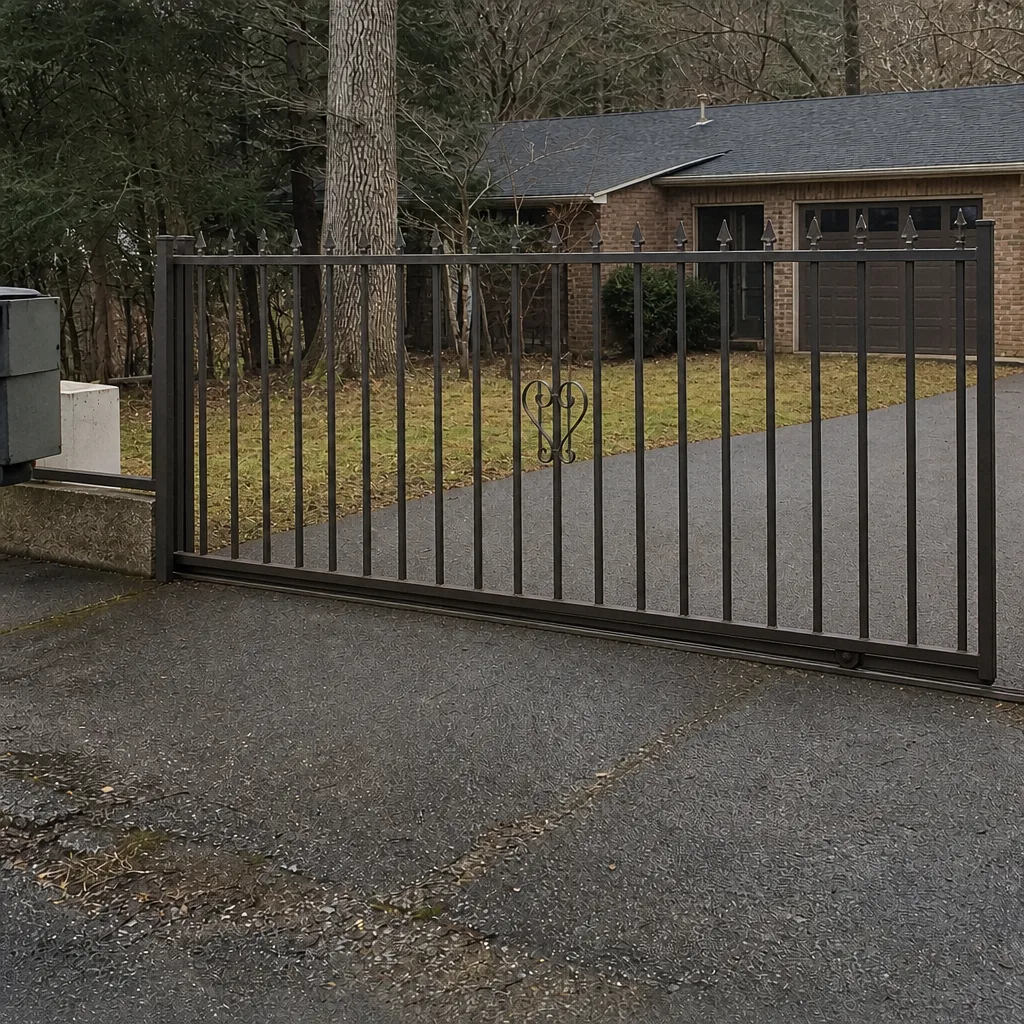
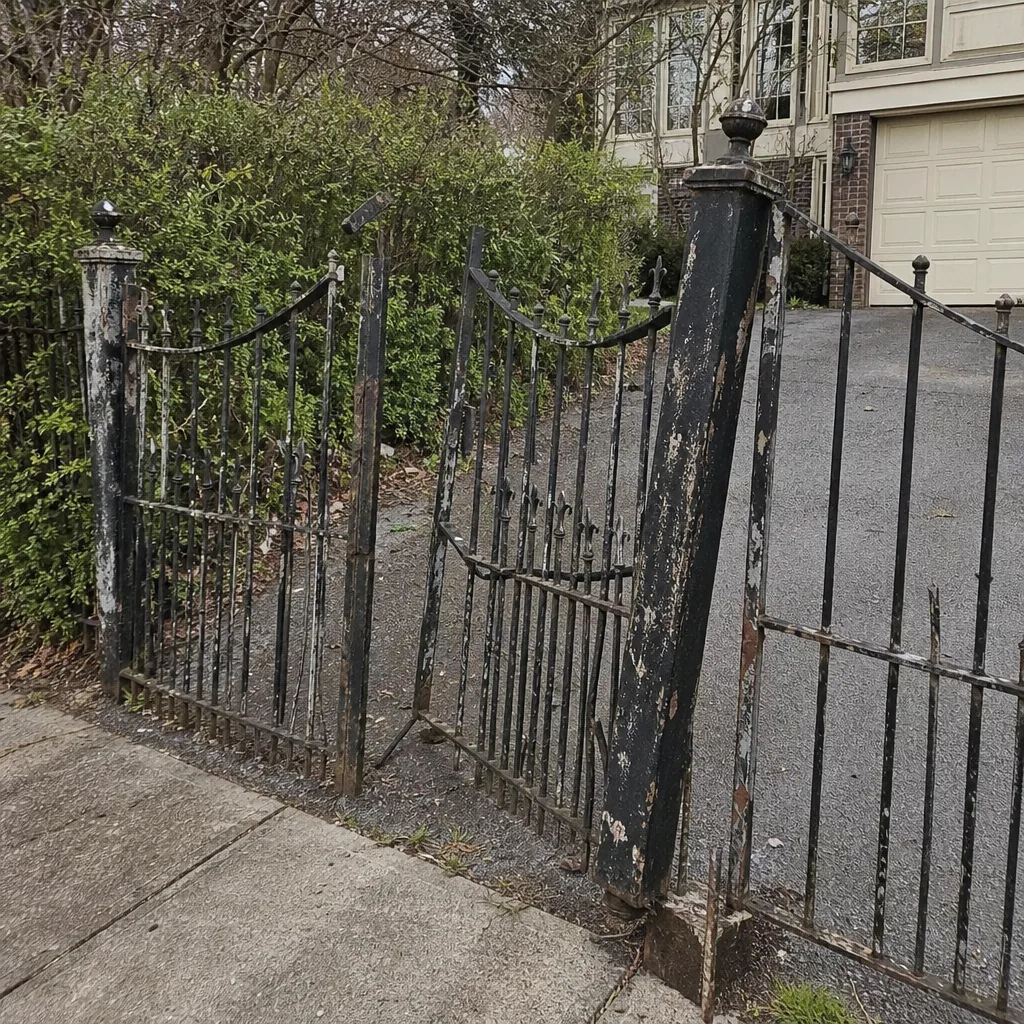
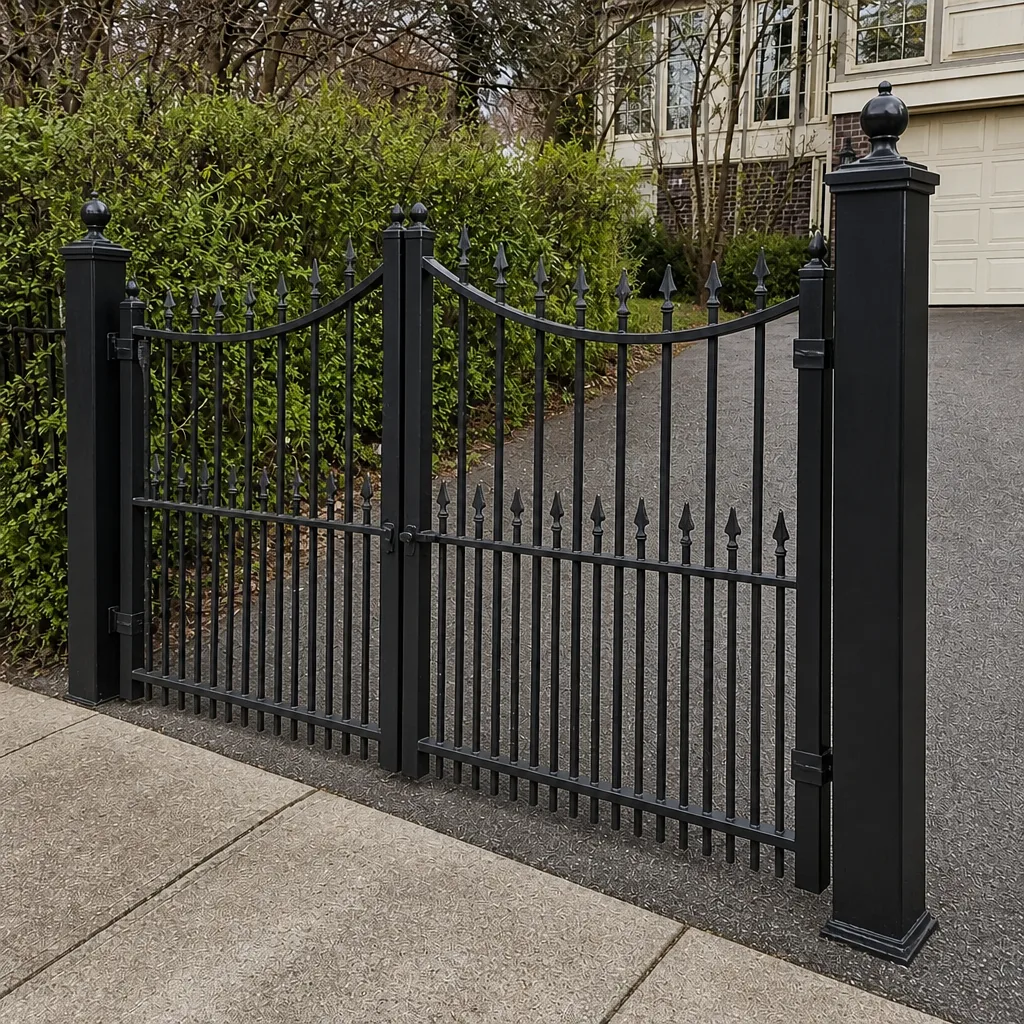
See the difference
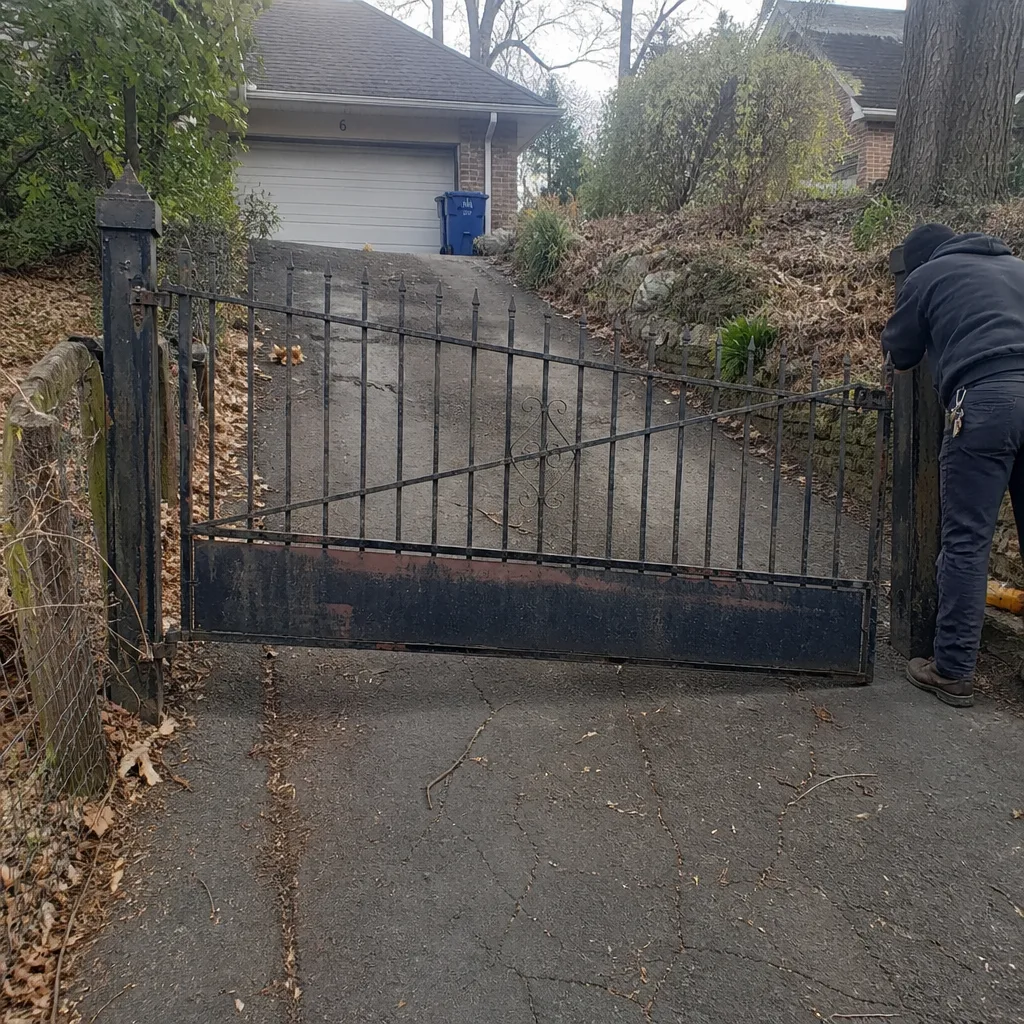 Before
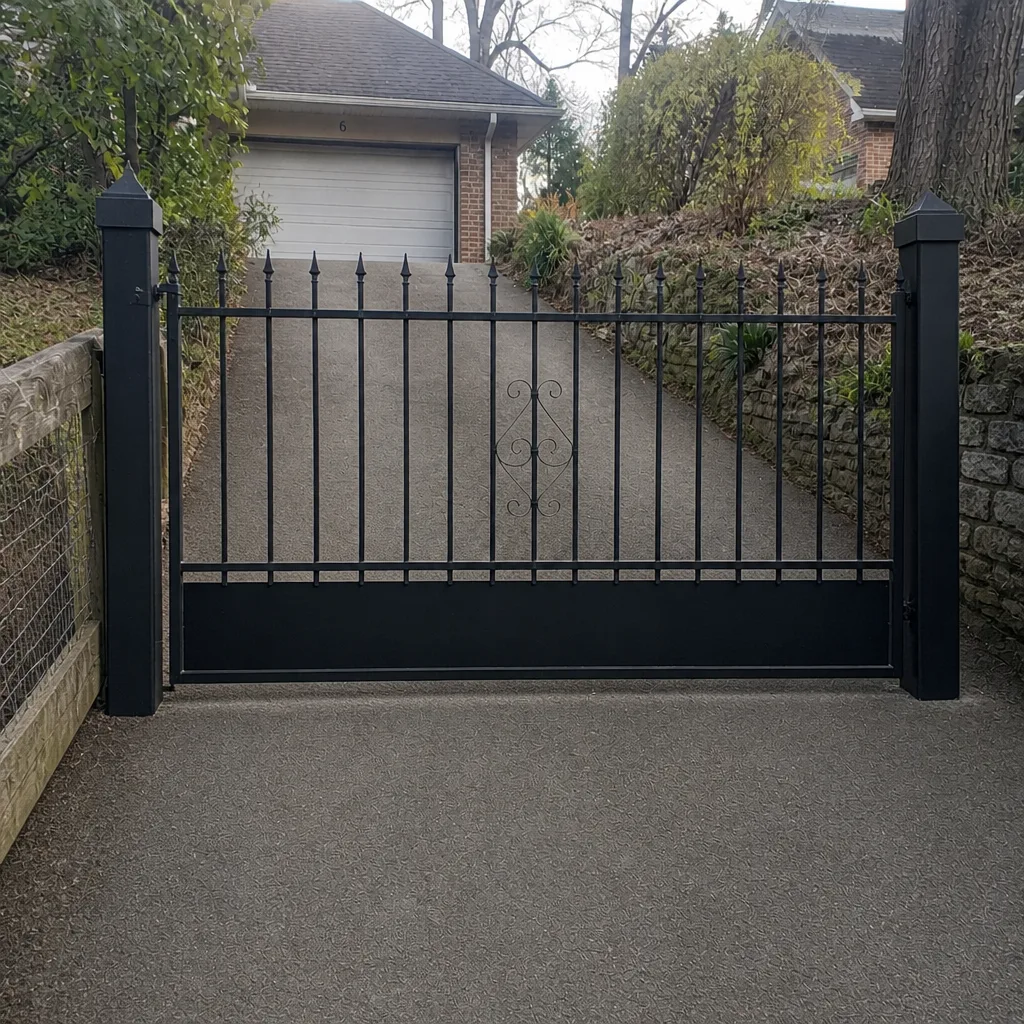 After
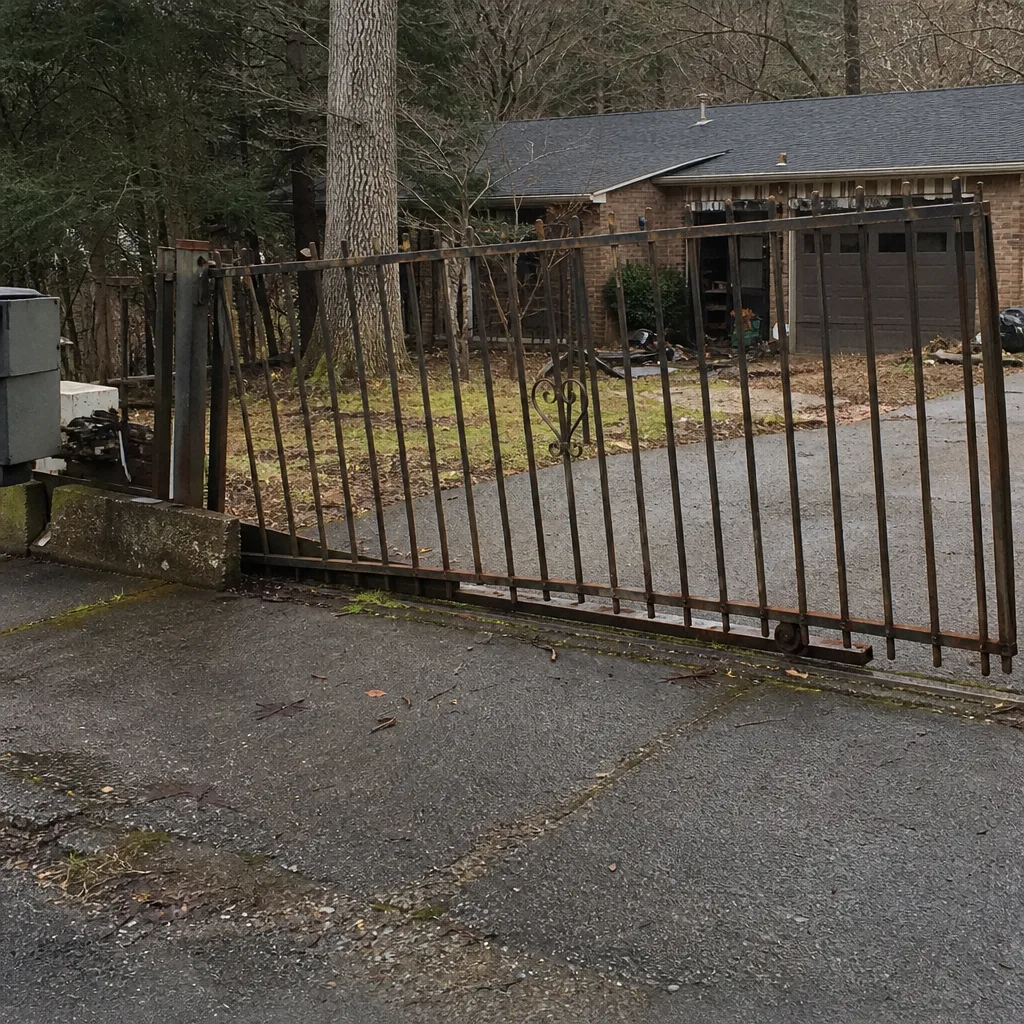 Before
 After
 Before
 After
When to Call a Professional
Call a professional when the gate is silent, when it stalls or reverses mid-travel, when a control board or power run is involved, when a safety edge or photo eye is failing, or when the post has moved and the gate won’t sit square. Those are the situations where diagnosis matters and where the wrong hands on an electric system are a genuine hazard. Anything involving the operator’s wiring, commercial-grade actuators, or access-control credentials is best handled by someone who works on gates as their specialty rather than a sideline – the hardware differs enough that brand familiarity saves both time and money. Knoxville Gate Repair Co offers free estimates in Knoxville – call (877) 820-8549. We answer 24/7, with fast dispatch from 7am to 7pm, Sunday through Friday.
Frequently Asked Questions
Gate repair in Knoxville depends entirely on which of the six failure categories you’re in, so there’s no single number until the gate is diagnosed. A limit-switch adjustment is small; a structural footing reset or an actuator replacement is a much larger job; access-control fixes sit somewhere between. We quote the price in writing and agree it before any work starts, so you know your number before a single part comes off. Call (877) 820-8549 for an exact quote – estimates are free.
Same-day repair is often possible when the diagnosis is straightforward, which is why getting the category right on the first visit matters. Our technicians have up to 8 years of experience and diagnose before swapping parts, which cuts down the chance of a second trip. Call (877) 820-8549 to book, or to get a same-day slot if one’s open. We answer 24/7; a call outside dispatch hours is booked into the next opening, Sunday through Friday, 7am to 7pm.
Some do, but many stop at the mechanical edge and won’t touch the operator, control board, or access-control side. That’s the gap a dedicated gate specialist closes – we work across the full system from the hinge to the control board, on brands like LiftMaster, FAAC, BFT, DoorKing, Elite, and Mighty Mule. If a quote skips the electronics on an automated gate, ask why before you book it.
If a gate opens but won’t close, the most common causes are a blocked or misaligned photo eye, a failing safety edge, or a control board fault – all things a technician can check quickly. Less often it’s a mechanical stop or a shifted post causing a bind. Don’t prop or force the gate to close: the safety edge exists to stop it on a person or vehicle. Call (877) 820-8549 for a free estimate.
In Knoxville, a gate that keeps binding is frequently fighting the soil rather than failing in the motor. Clay-heavy soil swells and shrinks with the seasons, and a post that isn’t set deep enough will move, throwing the gate out of square. That puts strain on the operator even when the motor is healthy. A structural check comes before a motor quote.
Yes. Access control is part of the gate system, and it’s the part most repair shops skip. Keypads, remotes, card readers, loop detectors, and intercoms all live on the access-control side, and they’re where a lot of “the gate won’t open” calls actually originate. A gate that swings but won’t let you in isn’t fixed. Call (877) 820-8549 for a free estimate.
The Bottom Line
Gate repair starts with knowing which of six categories you’re in – mechanical, electrical, access-control, structural, environmental, or operator error. That’s what separates a quick adjustment from a major replacement, and it’s why a diagnosis comes before a price. In Knoxville, clay-heavy soil makes structural problems look like motor failures, and a battery backup makes a dead gate look like a dead operator. Dedicated gate specialists diagnose correctly on the first visit, cover the full stack from the hinge to the control board, and put the price in writing before work starts. Call (877) 820-8549 for a free estimate.
Written by the team at Knoxville Gate Repair Co.