
Last updated November 25, 2026
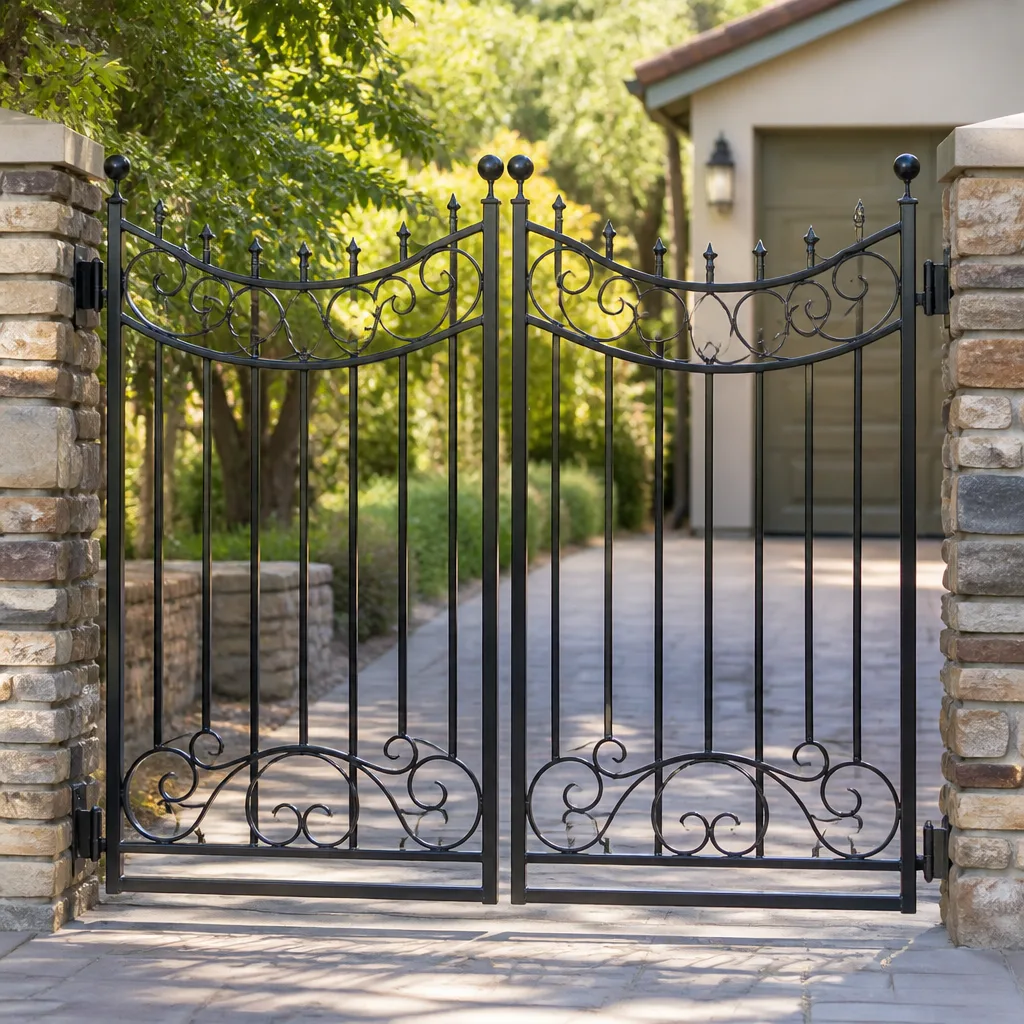 Wrought iron
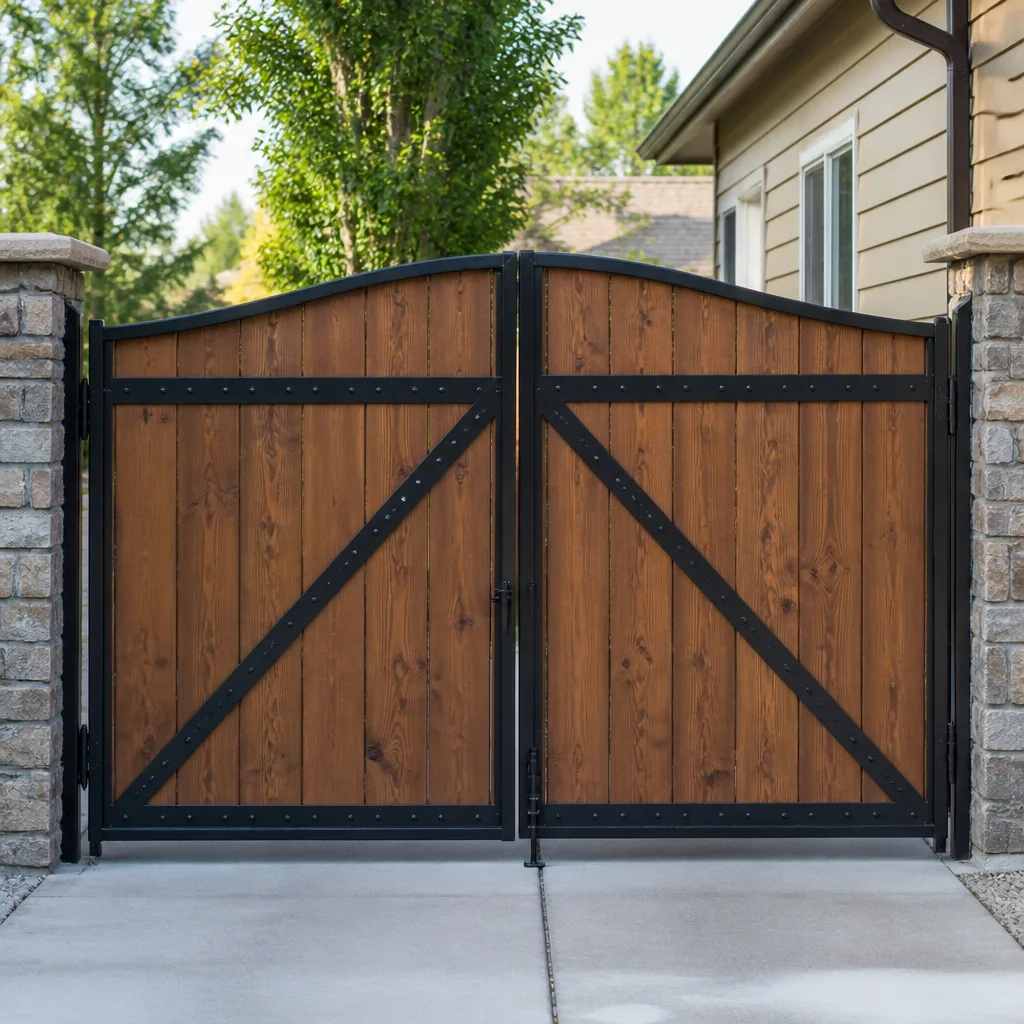 Wood & steel frame
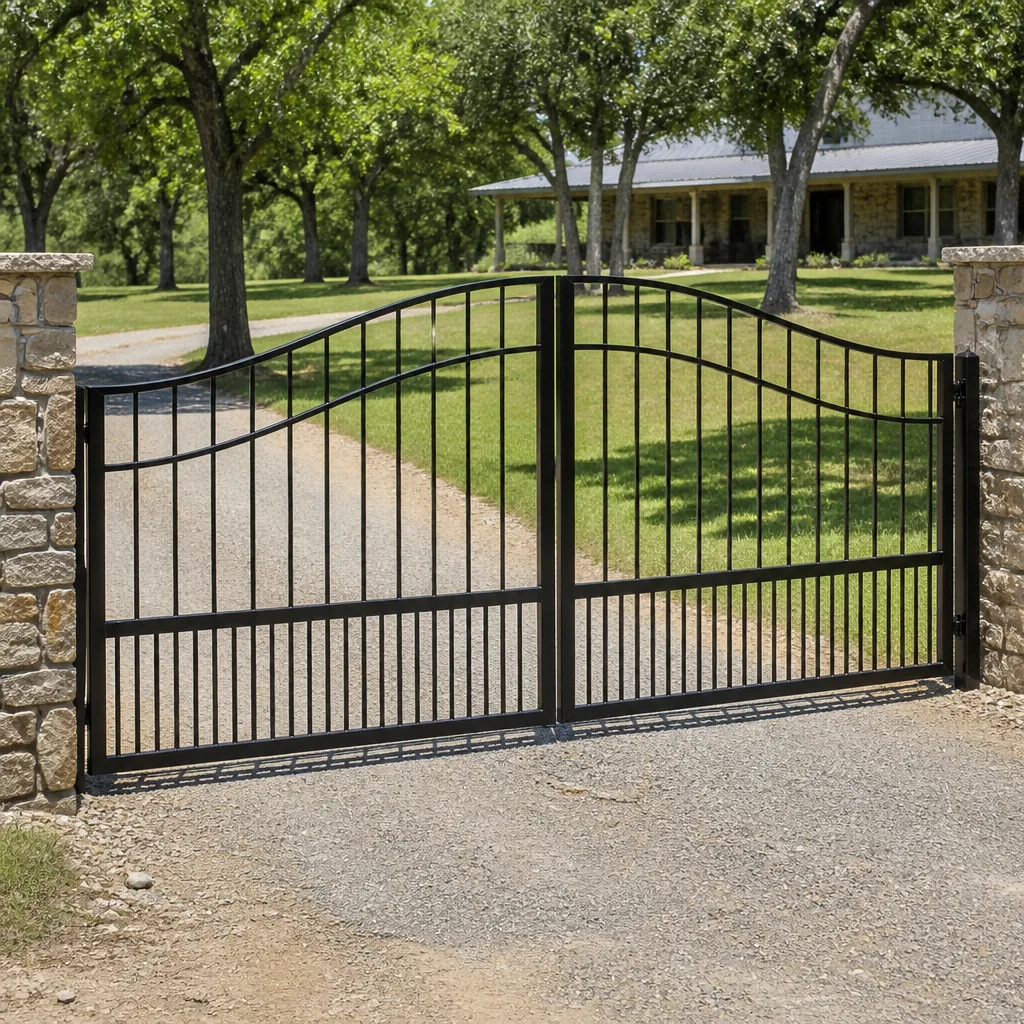 Farm & ranch
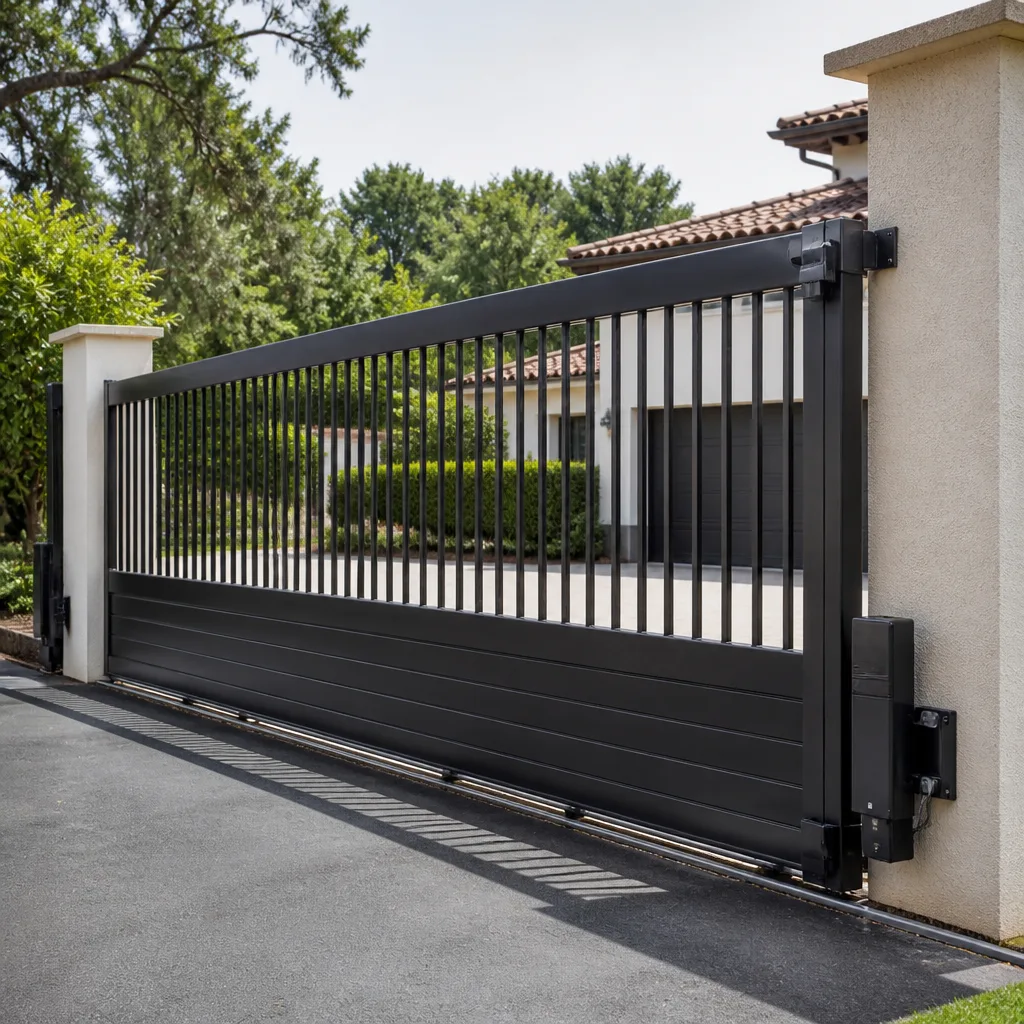 Sliding driveway gates
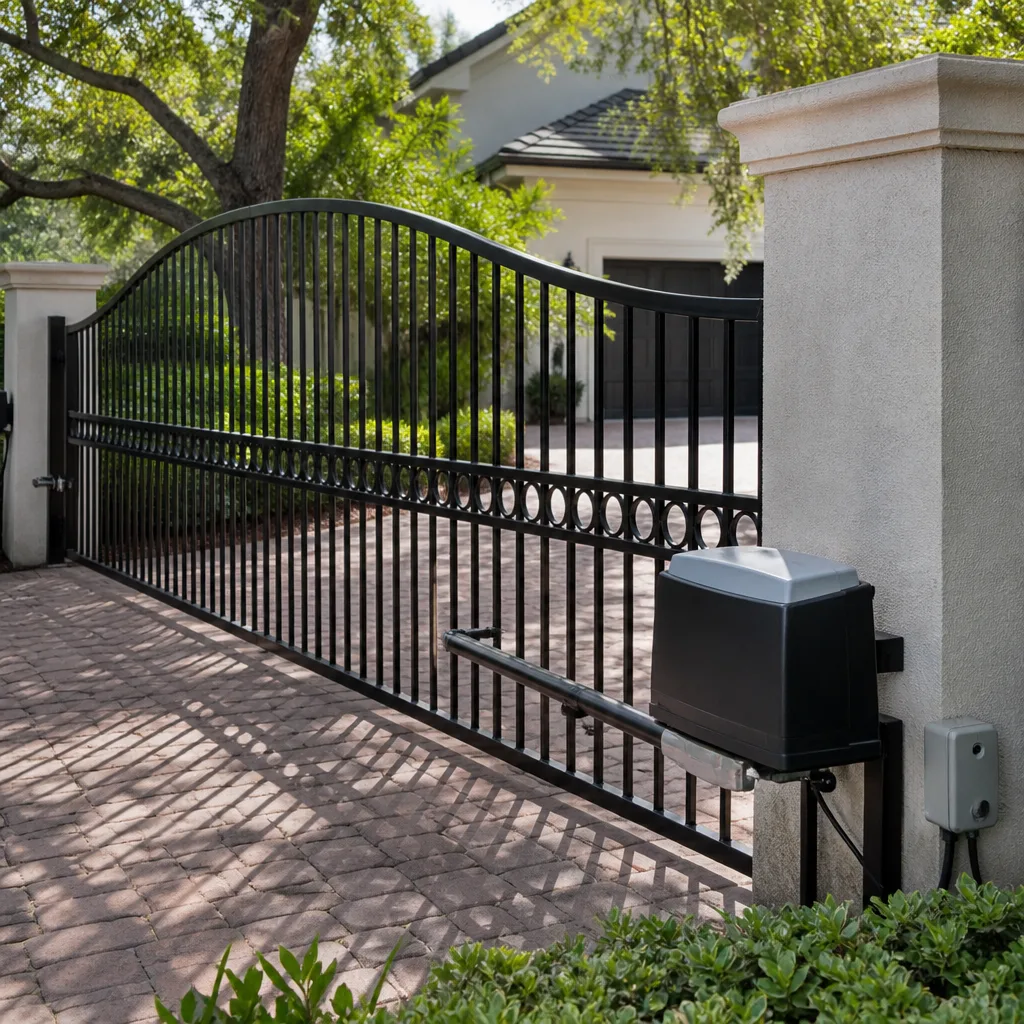 LiftMaster operators
Free on-site gate assessment - hinges, posts, and your LiftMaster or Nice gate operator checked before anything is quoted
The assessment is free and the quote is the invoice.
Get your free estimateSeasonal Gate Repair Care for Knoxville: Year-Round Homeowner’s Guide
Most gate operators around Knoxville don’t fail in February because something breaks. They fail because of a small task someone skipped back in October. That’s the part nobody tells you: gate systems here don’t wear out evenly. Knoxville’s climate runs them through four very different kinds of stress, and each season either sets up the next repair or prevents it. East Tennessee isn’t the mild, even South people picture. We get real freezes, soupy summer humidity, and storm fronts that rattle every hinge and sensor on the property. This guide walks you through what to do, season by season, so spring doesn’t open your gate into a problem that was building all winter.
Quick Answer
Seasonal gate care in Knoxville means matching your maintenance to the local calendar: fall weatherproofing and battery testing before the first freeze, winter checks on hinges, posts and ice damage, spring inspection of ground movement and operator function, and summer attention to humidity, control boards and storm debris. The single most important window is late fall, because a skipped weatherproofing task in October is what turns into an operator failure by February. Handle the right task in the right season and you spend far less on gate repair Knoxville-wide over the life of the system.
Styles & brands we work with
- Wrought iron
- Wood & steel frame
- Farm & ranch
- Sliding driveway gates
- LiftMaster operators
Table of Contents
- Why Knoxville’s Climate Is Hard on Gates
- Fall: The Most Important Season for Your Gate
- Winter: Freeze Damage, Ice and Ground Movement
- Spring: What the Thaw Reveals
- Summer: Humidity, Control Boards and Storms
- How Summer Humidity Attacks Your Control Board
- Spotting Post and Foundation Problems Early
- Common Mistakes to Avoid
- When to Call a Professional
Why Knoxville’s Climate Is Hard on Gates
Gates fail for reasons that are specific to where they sit. A gate system in a dry, even climate mostly deals with mechanical wear. A gate in Knoxville deals with four separate stressors that arrive in sequence. First, the freeze-thaw cycle: East Tennessee regularly swings between hard overnight freezes and daytime thaws through the winter, and that expansion and contraction works on soil, posts, concrete footings and metal hardware. Second, genuine summer humidity that keeps control enclosures and wiring damp long enough for corrosion to take hold. Third, storm seasons with wind-driven rain and falling limbs that clog sensors and batter panels. Fourth, the simple mechanical duty of a motor that cycles every day, year in and year out.
None of these problems announce themselves. A post that has lifted a fraction of an inch, a control board with corrosion creeping across a terminal, a sensor lens filmed with pollen and grit – all of it looks fine until the gate stops working. That’s why seasonal care matters more here than a generic “check your gate once a year” routine. The point isn’t doing lots of work. It’s doing the right small task before the season that would punish you for missing it.
We work on gate systems across Knoxville, from older neighborhoods with mature trees down to newer properties with automated entry. The pattern holds everywhere: the systems that stay reliable are the ones where the homeowner understands the local calendar. Different gate types need slightly different attention throughout the year, but every automated and electric setup goes through the same seasonal rhythm. Coverage of the full system, from the hinge to the control board, is what lets us Knoxville Gate Repair Co trace a spring problem back to its fall cause.
Fall: The Most Important Season for Your Gate
Fall is the season that decides how your gate will do in winter. The work you do in October and November is preventative; everything after that is reactive. Think of it as weatherproofing your investment while the weather is still on your side. Here’s what a thorough fall checklist looks like for an automated gate in Knoxville:
- Clear debris from around the gate path and sensors. Falling leaves and small limbs collect in the track of a sliding gate and around the safety sensors of a swing gate. Blow or sweep the path clean, and make sure nothing sits within the sensor’s line of sight. A sensor blocked by debris is a sensor that reads the gate as obstructed and refuses to close, or worse, refuses to stop.
- Test the battery backup. Many automated operators run a backup battery so the gate still functions during a power outage. Cut power to the operator (using the manufacturer’s procedure) and confirm the gate still opens and closes. A backup battery that’s already weak will fail completely in cold weather, when battery capacity drops. If the gate stalls or won’t move, the battery needs attention before winter.
- Inspect the conduit and wiring runs. Look at the conduit that carries power and control wires to the gate. Check for cracks, loose fittings, or sections that animals have chewed. Wind-driven fall rain finds every gap in a conduit. Water getting into a wiring run is one of the quiet causes of a spring control-board failure.
- Check the operator housing and seals. Make sure the cover and gaskets on the operator and control enclosure are seated properly. A housing that’s had a corner knocked loose by a summer storm lets in the fall and winter moisture that corrodes a control board.
- Lubricate and inspect hinges and moving parts. Follow the manufacturer’s guidance for your specific hardware. Look for loose hinges, worn pins, and any play in the gate’s swing or slide.
- Trim vegetation back from the gate and swing path. Overgrown branches catch wind, drop limbs, and can interfere with a swing gate’s travel.
Do this once in the fall and you’ve done most of what prevents the February failure. The brands we service – LiftMaster, FAAC, BFT, Linear, Viking, Ghost Controls, DoorKing, Elite and Mighty Mule – all respond well to this routine, though the exact battery and battery-testing steps differ by operator. A Ghost Controls residential operator and a DoorKing commercial unit are not the same animal, so always check the manual for your specific model before testing the backup.
Winter: Freeze Damage, Ice and Ground Movement
Winter in Knoxville isn’t a continuous deep freeze, and that’s exactly the problem. The East Tennessee freeze-thaw cycle means water gets into cracks and gaps during a mild afternoon, then expands overnight when the temperature plunges below freezing. That cycle repeats, and it’s relentless on a gate’s foundation. Concrete footings, the posts that anchor a slide gate track, and the soil around them all move slightly through the winter. Repeated cycles can lift a post a fraction of an inch, or cause a slide gate’s track to shift out of level. You won’t notice until the gate starts dragging, sticking, or binding against its stops in spring.
Ice works on the hardware too. Frozen moisture in hinges, in the operator’s moving parts, and around the sensor brackets can cause stress when the gate is operated. Here’s the winter routine:
- Don’t force a frozen gate. If the gate is iced up, don’t operate the operator and fight it open. A motor pushing hard against a frozen gate is a motor working beyond its design, which stresses the mechanism and can damage gears.
- Check the gate path for ice dams and standing water. Where water pools around a gate post and then freezes, you get a slow undermining effect on the footing. Look at where water drains after a thaw.
- Watch for hinge and operator stiffness. If the gate suddenly swings harder, hangs, or the operator is laboring, that’s often frozen moisture or ice damage to a hinge. Note it and have it looked at rather than forcing repetitions.
- Keep the sensors clear of snow and ice. A sensor with ice on the lens reads as obstruction. Clear it rather than assuming the operator is broken.
Heads up on the safety side: never try to free a jammed gate or adjust a frozen hinge by forcing it or putting a hand into a pinch point on a heavy panel. Gate panels are heavy, and a swing gate that binds and then releases can swing with real force. A slide gate that comes off its track or a panel that drops is genuinely dangerous. Our technicians have up to 8 years of experience identifying winter damage before it becomes a spring failure, and that first-visit diagnosis is worth more than a trial-and-error fix. We also handle the full mechanical-to-electronic range, so if the winter has worked on both a hinge and the operator, you get it sorted in one diagnostic visit.
Spring: What the Thaw Reveals
Spring is the diagnostic season. What winter did to your gate becomes visible now, and the goal is to find the movement and the wear before the gate runs with it for months. The thaw is when a post that lifted, a track that shifted, or a hinge that took ice damage starts to show. Here’s the spring inspection, in order:
- Check ground and footing movement. Walk the gate path. Look for soil cracks, gaps between the concrete footing and the ground, or a post that’s sitting proud of the surrounding grade. A slide gate track that looks out of level against a straightedge is a warning sign.
- Operate the gate and listen. A smooth gate has a consistent sound through the full swing or slide. Grinding, groaning, scraping, or a labored motor at any point in the cycle means something is binding.
- Test the safety sensors. Confirm they stop and reverse the gate as they should. Remove spring pollen and grit from the lenses.
- Check the operator housing and control enclosure for moisture. Spring is when water that got in over the winter shows up. Look for condensation, discoloration, or rust on the terminals.
- Recheck hinges, rollers and hardware. Spring is when winter ice damage to a hinge shows up as play or binding. Tighten or replace per your hardware’s guidance.
Spring is also the natural time to gate repair the issues you found over the winter, while the gate isn’t yet under summer storm stress. Catching a post that’s moved now is far cheaper than dealing with the same post after a season of running your gate against an out-of-line track. New installation decisions also land well in spring if your current system has reached the end of its life – we’ll cover that option later.
Summer: Humidity, Control Boards and Storms
Summer brings two problems to a Knoxville gate: high humidity and storm season. The humidity is the underrated one. It’s not the heat that kills control boards. It’s moisture in the air, cycling day after day, that settles into a control enclosure and starts corrosion at the terminals and on the board. Over a few seasons, a control board that looks fine can fail because of a small corrosion path that formed over a humid summer and shorted across a terminal. This is why housing condition and gasket seals matter so much – a properly sealed enclosure keeps the humidity out, and a damaged one invites it in.
Summer storm prep is its own checklist:
- Clear storm debris from the gate path and sensors after every major system. A limb in the path of a slide gate or a twig across a sensor is a fault waiting to happen.
- Inspect the operator housing for storm damage. Wind-driven rain, a knocked cover, a cracked gasket – deal with it before the next humid stretch.
- Trim summer growth back from the gate and sensor line. Vegetation that grows into the sensor field causes nuisance faults that look like electrical problems.
- Check the battery backup again. Summer heat stresses a battery too. A backup that passed in fall can still degrade with heat.
Summer is also when access-control and operator boards take the most electrical stress. If you run a Linear, Viking, or DoorKing system with access-control integration, a summer storm that causes a power surge can take out a control board or a keypad reader. When that happens, the problem isn’t the gate and it isn’t the panel – it’s the electronics that drive them. That’s the side of the system our access-control service covers, and it’s where we see general repair shops get stuck. gate motor & opener testing needs a technician who actually knows the board and the sensor logic, not just someone who can swap a switch.
How Summer Humidity Attacks Your Control Board
Here’s what actually happens, because it changes what you should do about it. Knoxville’s summer humidity means the air inside an unsealed or poorly gasketed control enclosure stays damp for long stretches. The board’s terminals and traces are metal. Moisture plus a small electrical current plus time equals corrosion. It doesn’t happen fast, and it doesn’t announce itself. It shows up as a fault code that clears when you reset the power, or as a gate that opens but doesn’t close every time, or as a sensor that reads obstruction when nothing is there.
The defenses are simple and they’re seasonal:
- Keep the enclosure sealed. Verify the cover is seated, gaskets are intact, and the cable entry points are properly sealed. This is largely a fall task, but check it through summer too.
- Keep the enclosure out of standing water. A control box at grade with poor drainage invites trouble. Look at how water moves around it after a storm.
- Watch for moisture indicators. Condensation inside the cover, discolored terminals, or green film on the board all point to a humidity problem.
- Don’t spray water into the enclosure. When you clean around the gate, don’t aim a hose at the operator or control housing.
The moment you see corrosion on a board, that’s a professional call. A control-board diagnosis is not a DIY task – touching the wrong terminal can short the board or worse. Our brand-agnostic approach means we’re not going to push you toward a replacement board because it’s the one we happen to sell. We diagnose the fault, confirm whether the board is the problem, and quote the fix before any work begins. Some corrosion is treatable; some boards are past saving. The written estimate tells you which and what it costs.
Spotting Post and Foundation Problems Early
A gate’s structural problems start below ground. That’s the part most homeowners can’t see, and it’s the part the East Tennessee freeze-thaw cycle goes after hardest. What you can see is the ground surface: soil that’s cracked or pulling away from a footing, a post that no longer looks straight, a concrete base sitting proud of the surrounding grade. Those are early signs that the footing has moved. Left alone, they become a track out of level, a gate that drags, an operator working against resistance, and eventually a structural repair instead of a minor adjustment.
What to watch for through the year:
- A slide gate track that’s no longer straight or level. Lay a straightedge or level on the track. Any visible bow or rise matters.
- Soil cracks radiating from a post or footing. These often appear in spring as the ground settles after a winter of freeze-thaw.
- Gate sag. A gate that no longer sits true, a panel that hangs at an angle, or hinges that look like they’re bearing more load than before.
- New resistance in the gate’s travel. If the gate suddenly binds at the same point every time, that’s a structural message.
When posts and footings have moved, the fix is a structural correction, not a band-aid on the operator. A motor that’s forced to correct for a misaligned gate will fail, and it’ll fail early. That’s why we look at the whole system – the structural elements, the gate installation integrity, and the operator together, so the fix addresses the cause and not just the symptom.
Common Mistakes to Avoid
- Skipping the fall weatherproofing. This is the mistake that starts the whole chain. A loose housing cover or a torn gasket that goes into winter unsealed puts moisture where it will corrode or freeze. Do the sealing and battery work in the fall, while the weather cooperates.
- Forcing a frozen or jammed gate. A motor pushing against ice, or a homeowner forcing a bound swing panel, does real damage. If the gate doesn’t move normally, stop and investigate instead of forcing it.
- Ignoring a sensor that acts up in summer. A gate that closes only sometimes, or stops at a certain spot, is usually a sensor problem – often just debris or a dirty lens. Dismissing it invites a fault that turns into an operator issue.
- Cleaning the control enclosure with a hose. Water in the control box is a direct path to a corroded board and a costly spring repair. Clean around it, not into it.
- Assuming a post that’s moved is fine because the gate still works. A gate can run for months against a misaligned track before the operator gives out. The structural problem doesn’t disappear because the gate is still moving.
- Skipping the battery backup test. A backup battery that isn’t tested is a backup battery nobody knows the condition of. Test it in fall and again in summer heat. If it’s weak, cold weather will finish it off.
- Treating a gate like a fence. A gate is a mechanical and electrical system, not a static fence panel. It needs seasonal attention to the operator, sensors, wiring, and structure – not just a check that the boards are standing.
When to Call a Professional
Some seasonal care belongs in your hands: clearing debris, checking the gate path, and the visual inspection. But certain situations call for a trained technician right away. If the gate binds at the same point in its travel, if the operator is laboring or faulting, if you see corrosion on a control board, if a post or footing has moved, or if a slide gate has come off its track, stop operating it and get it diagnosed. Those problems compound, and the cost of waiting is almost always higher than the cost of a proper diagnosis.
Knoxville Gate Repair Co offers free estimates in Knoxville and covers the full gate system, from the hinge to the control board – mechanical repair, motors and openers, electric gate circuits, and access control. Our technicians have up to 8 years of experience diagnosing exactly these seasonal failures on the brands you own. Call (877) 820-8549 to schedule a free estimate. We answer 24/7. Fast dispatch, 7am-7pm, Sunday through Friday.
See the difference
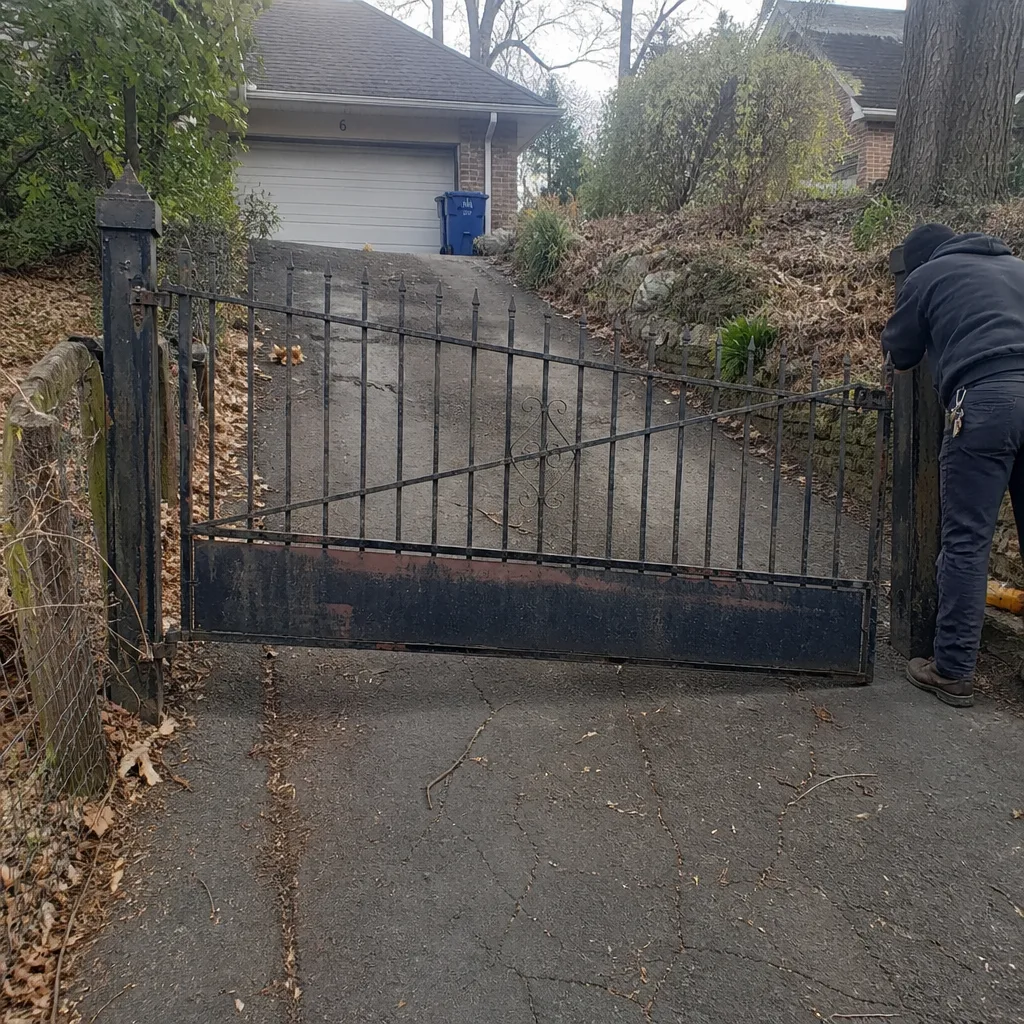 Before
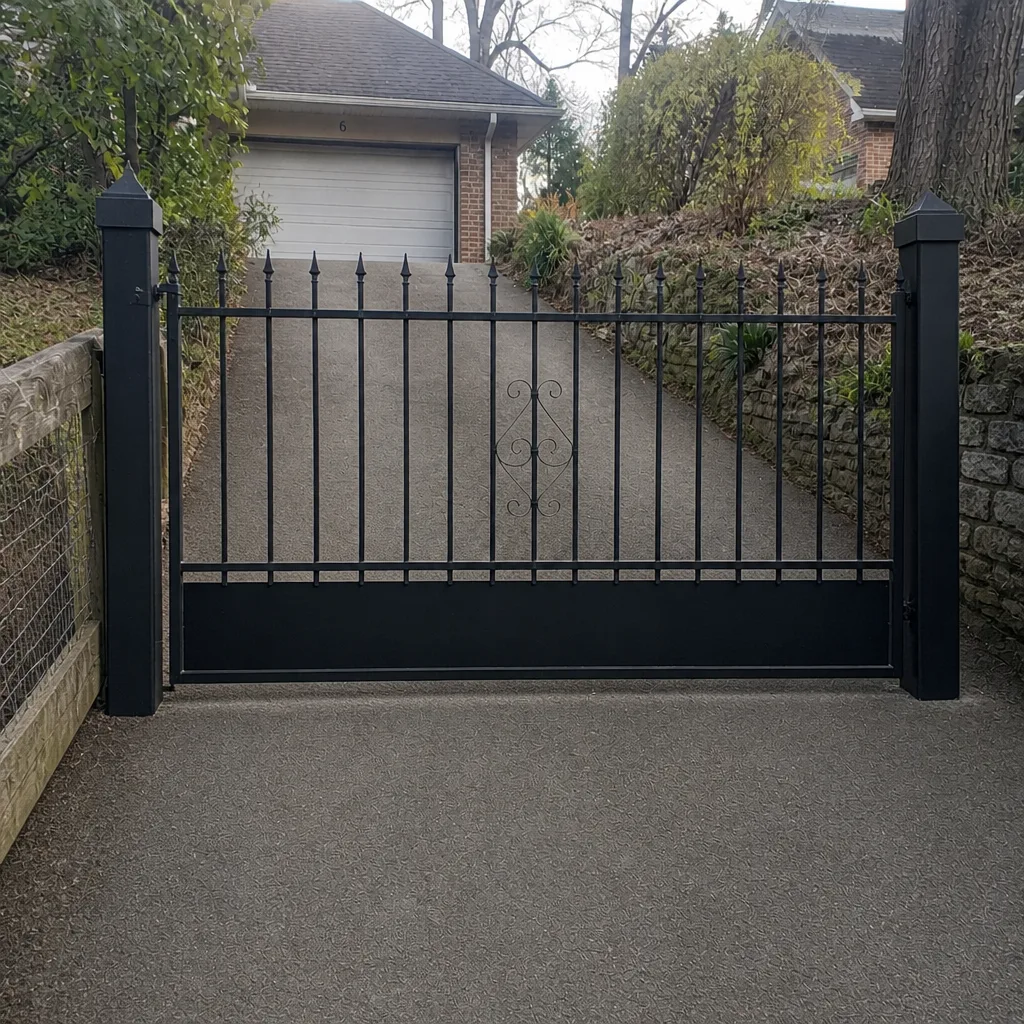 After
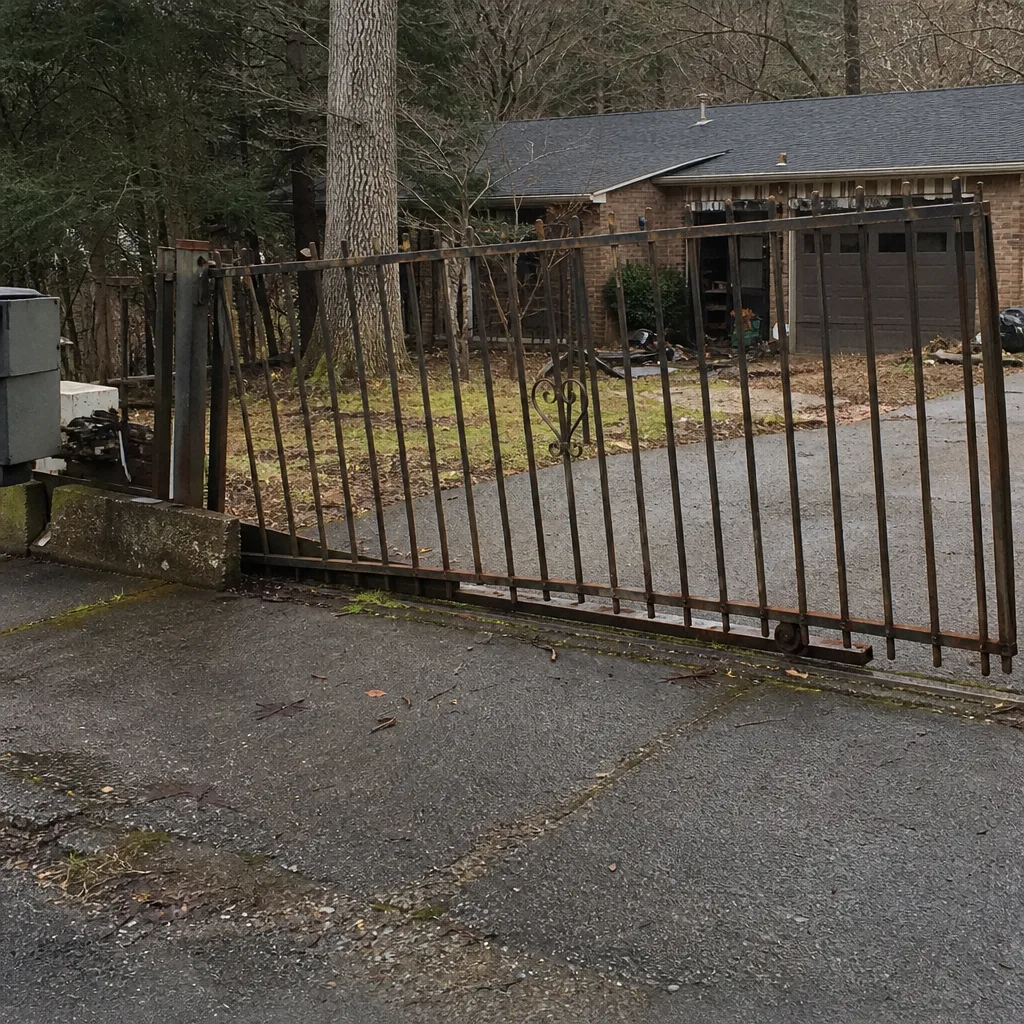 Before
 After
 Before
 After
Frequently Asked Questions
Fall is the most important season. The weatherproofing, battery testing, and debris clearing you do in October and November are what prevent the winter freezes and spring failures. A task skipped in fall often becomes an operator repair by February, so treat the fall checklist as the anchor of the whole year.
The freeze-thaw cycle is the main culprit. Water gets into gaps and soil during mild days, then expands overnight when the temperature drops, and the repetition moves posts, footings, and hardware. Ice in hinges and around sensors adds stress when the gate operates. The damage is gradual and often shows up in spring as a gate that binds, drags, or doesn’t sit true.
Yes, and it’s one of the most underrated problems. Moisture in a poorly sealed control enclosure corrodes terminals and traces over time, and the result is fault codes, intermittent operation, or a board that finally fails. Keeping the enclosure sealed and out of standing water is the defense. If you see corrosion, have a technician look at it before it shorts out the board.
Look for soil cracks at the footing, a post that no longer looks straight, a concrete base sitting proud of the ground, or a slide gate track that’s out of level. The gate may still work for a while, but a motor running against a misaligned track will fail early. Any of those signs means it’s time for a professional inspection.
Clear the gate path and sensor line of debris and vegetation, inspect the operator housing and gaskets for damage, check the conduit runs for gaps, and re-test the battery backup. These are the fall storm-prep steps. After any major storm, clear debris from the track and sensor lenses before operating the gate.
We service nine major gate-system brands, including LiftMaster, FAAC, BFT, Linear, Viking, Ghost Controls, DoorKing, Elite, and Mighty Mule, covering both residential and commercial grade equipment. We’re independent and brand-agnostic, so the recommendation comes from the diagnosis, not from a single manufacturer’s parts catalog. Call (877) 820-8549 to confirm your model and get a free estimate.
The Bottom Line
Your gate doesn’t wear out on a schedule. It fails because of a specific seasonal stress that hit a system that wasn’t ready for it. In Knoxville, that means fall weatherproofing is the anchor: seal the enclosures, test the battery, clear the sensors, and check the conduit before the first freeze. Winter is about not forcing a frozen gate and watching for ground movement. Spring is the diagnostic season, when you find what winter did. Summer is about humidity, board corrosion, and storm debris. Do the right task in the right season and you prevent next season’s repair bill before it’s a repair.
Call Knoxville Gate Repair Co at (877) 820-8549 for a free estimate on any seasonal gate issue. We answer 24/7. Fast dispatch, 7am-7pm, Sunday through Friday. Automated, electric, or access-controlled: we diagnose it correctly the first visit so you’re not paying for trial and error.
Written by the team at Knoxville Gate Repair Co.